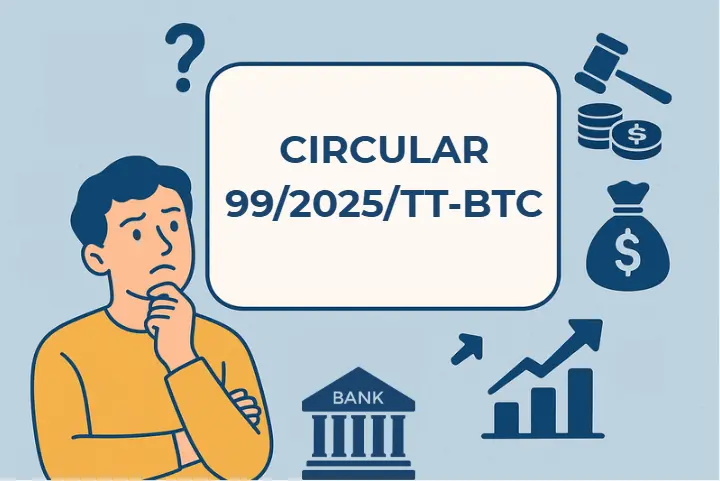
Circular 99/2025/TT-BTC introduces critical changes directly affecting business accounting and tax operations. This comprehensive guide clarifies new regulations that take effect January 1, 2026, and important accounting adjustments enterprises must implement.
Understanding Circular 99/2025/TT-BTC
Circular 99/2025/TT-BTC, issued by Vietnam’s Ministry of Finance on October 27, 2025, replaces Circular 200/2014/TT-BTC and establishes the enterprise accounting regime. It becomes effective January 1, 2026, for fiscal years commencing on or after that date.
This circular is significant due to its comprehensive scope affecting most practical business operations. Content covers accounting records, electronic documents, data reconciliation procedures, transaction recording methods, and bookkeeping standards. The provisions aim to reduce processing times at tax authorities and minimize the need for repeated document explanations or supplementary submissions. Circular 99/2025 bridges traditional financial management with modern digital accounting practices.
Scope of Application

Circular 99/2025/TT-BTC applies to all business entities in Vietnam, including state-owned enterprises, private companies, LLCs, joint stock companies, FDI enterprises, and individual business organizations. Any organization conducting accounting and tax activities must fully comply with the circular.
All entities previously covered by Circular 200 must transition to Circular 99/2025. However, the following entities may choose adoption but are not required to comply:
- Small and medium-sized enterprises (SMEs);
- Non-public establishments (private schools, hospitals, etc.);
- Other accounting units outside enterprise scope.
Financial institutions, non-profit organizations, and FDI entities may adjust procedures based on industry characteristics. Circular 99/2025’s wide applicability directly impacts most entities engaged in financial and accounting activities.
Critical Implementation Steps for Accountants
1. Plan the Transition from Circular 200 to Circular 99
Develop a comprehensive migration strategy:
- Map the account system and review account classifications: identify accounts to retain, remove, merge, or create;
- Test accounting software before year-end 2025 closing and data migration: verify differences between old and new accounts, reconcile all subsidiary ledgers, test sample transactions and financial statement generation under new requirements;
- Finalize new accounting policies before January 1, 2026: clearly establish authority delegation for accounting personnel, develop internal procedures, and implement fraud risk controls aligned with new standards.
2. Update the Chart of Accounts
Circular 99 permits businesses to add, refine, or consolidate accounts while maintaining consistency and transparency.
- Review new accounts and logical changes from Circular 200 to prevent confusion;
- Establish account usage policies clearly describing recorded content;
- Ensure all changes are documented and communicated to accounting teams.
3. Prepare Financial Statements Under Circular 99 Format
The new financial statement format is more flexible while maintaining required criteria:
- Enterprises with unique characteristics may expand presentation criteria while preserving accuracy;
- Companies using foreign currency as the primary accounting unit must convert external financial statements to VND;
- Verify all financial statement forms comply with Circular 99 requirements.
4. Verify and Update Accounting Software and ERP Systems
Work closely with software providers to ensure system compatibility with Circular 99:
- Chart of accounts must align with Circular 99 requirements;
- Voucher and ledger formats must meet regulatory content standards;
- Approval and digital signature processes must comply with regulations;
- Financial reports must export in the correct Circular 99 format.
5. Retrain Accounting Staff
Accountants must shift from Circular 200 practices to new Circular 99 requirements, particularly in:
- Revenue and expense recording;
- Advance and prepayment accounting;
- Receivables and payables management;
- Exchange rate difference treatment;
- Data consolidation procedures.
Conduct departmental training sessions or issue implementation guides to ensure consistent understanding and execution across the accounting function.
Conclusion
Circular 99/2025/TT-BTC represents a major step in standardizing data and enhancing accounting and tax system transparency in Vietnam. With its broad scope and detailed requirements, businesses must proactively review processes, upgrade software, and update accounting team knowledge. Compliance reduces legal risks and improves financial management efficiency. Modern accountants must develop comprehensive knowledge and leverage technology to deliver accurate, professional, and efficient financial reporting.
For guidance on implementing Circular 99/2025, contact Wacontre Accounting Services via telephone (028) 3820 1213 or email [email protected]. Our experienced team specializes in Vietnam accounting compliance, tax strategy, and company formation. Japanese-speaking clients may call (050) 5534 5505.
Register here for a consultation form.