Tax accounting is one of the most critical functions for any business, ensuring legal compliance and optimizing financial efficiency. From tax filing to bookkeeping, every step requires precision and in-depth expertise. Yet many companies and accountants still make avoidable mistakes that lead to serious financial and legal consequences. In this article, we explore tax accounting in detail, the correct procedures for filing taxes, and effective bookkeeping practices to minimize risk.
What Is Tax Accounting?
Definition of Tax Accounting
Tax accounting is a core component of corporate financial management, covering the calculation, declaration, and payment of taxes in accordance with the law. Its purpose goes beyond compliance: it also helps businesses legally optimize their tax expenses.
The Role of Tax Accounting in Business
Tax accounting acts as the bridge between a company and the tax authorities. It ensures that financial transactions are recorded accurately and completely, helping businesses avoid legal risks such as penalties and tax arrears. This role is especially critical for large enterprises that handle high transaction volumes.
Essential Skills for a Tax Accountant
Tax accountants must combine accuracy, attention to detail, and a strong command of tax law. They also need to be proficient with accounting software and stay up to date on changes in tax policy in order to perform their duties effectively.
Benefits of Professional Tax Accounting Services
Using a professional tax accounting service relieves businesses of the burden of tax management, ensures accurate filings, and helps optimize costs. It also lets companies focus on their core operations instead of routine compliance work.
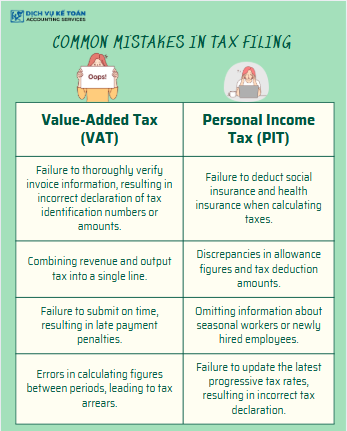
Tax Filing and the Most Common Mistakes
Standard Tax Filing Process
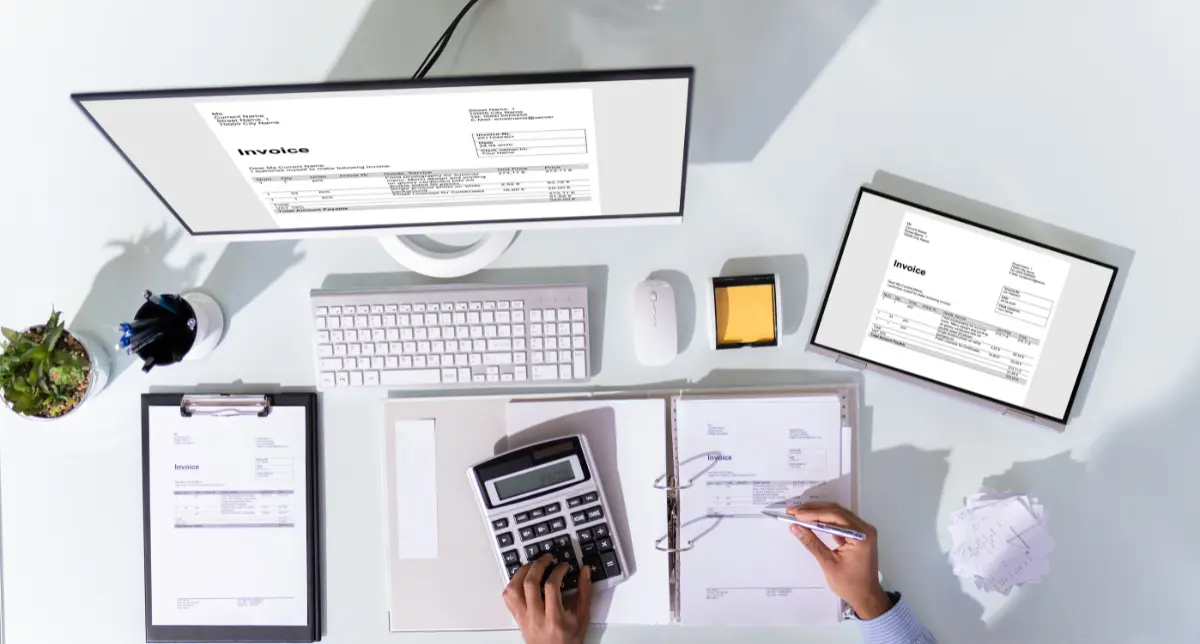
Tax filing is the process of recording and reporting a company’s tax obligations to the tax authorities. It includes gathering invoices, reconciling figures, and submitting declarations on time through the official electronic systems.
Learn more:
WHAT IS VAT? ESSENTIAL INFORMATION ACCOUNTANTS SHOULD KNOW ABOUT VALUE ADDED TAX (VAT)
Personal Income Tax: Definition and Calculation Methods
How to Improve Accuracy in Tax Filing
To minimize errors, businesses should:
- Implement internal control tools to ensure data is handled accurately.
- Use specialized accounting software to automate and streamline the filing process.
- Run regular staff training sessions on tax laws and regulations.
Effective Tax Accounting Bookkeeping
Why Tax Accounting Books Matter
Tax accounting books are a key database for managing finances and demonstrating legal compliance. They are also essential documentation during audits by the tax authorities.
Common Bookkeeping Mistakes
- Failing to reconcile receivables and payables with customers and suppliers.
- Not recording all eligible business expenses.
- Errors in preparing fixed-asset depreciation schedules.
- Failing to retain invoices and supporting documents as required by law.
Software to Support Bookkeeping
Software such as MISA, Fast Accounting, and Bravo automates bookkeeping, reduces errors, and saves time for accounting teams.
Tips for Transparent, Accurate Bookkeeping
- Reconcile data regularly to keep records accurate.
- Perform periodic internal audits.
- Clearly assign responsibilities to each accounting team member.

Sound Tax Accounting to Minimize Risk
Key Regulations on Tax Accounting
Tax accounting must follow current regulations so that the figures in the books match the reports submitted to the tax authorities. This consistency helps businesses avoid issues during tax inspections and audits.
Common Tax Accounting Errors to Avoid
- Failing to record tax penalties in full in the accounting books.
- Missing input VAT deductions.
- Not making adjustment entries when tax refunds are received.
How to Prepare Tax Accounting Reports
Tax accounting reports should clearly show the opening balance, transactions during the period, and the closing balance. Make sure every entry ties back to its related invoices and supporting documents.
How to Handle Errors in Tax Accounting
When an error is identified, post adjustment entries immediately and submit a supplementary report to the tax authorities to avoid penalties and in-depth inspections.
Strong tax accounting management is the key to legal compliance and cost optimization. A solid grasp of tax filing, accounting, and bookkeeping delivers long-term benefits across the organization. To reduce pressure on internal teams and keep records accurate, many businesses choose to work with a professional tax accounting service.
For any inquiries, please contact Wacontre Accounting Services via Hotline: (028) 3820 1213 or email [email protected] for prompt assistance. Our experienced team is committed to providing dedicated, efficient service. (For Japanese clients, please contact Hotline: (050) 5534 5505.)