From January 1, 2026, business households will declare and pay taxes themselves according to new regulations, increasing transparency and autonomy in tax management. Instead of paying lump-sum taxes as before, business households will calculate, declare, and pay taxes themselves, accurately reflecting actual revenue and financial operations.
For any inquiries, contact Wacontre Accounting Services via Hotline: (028) 3820 1213 or email [email protected] for prompt assistance. With a team of experienced professionals, Wacontre is committed to providing dedicated and efficient service.
The self-declaration and self-payment method represents a significant transformation of Vietnam’s tax industry, advancing toward a more modern, transparent, and equitable tax management system aligned with digital economy trends.
For any inquiries, contact Wacontre Accounting Services via Hotline: (028) 3820 1213 or email [email protected] for prompt assistance. With a team of experienced professionals, Wacontre is committed to providing dedicated and efficient service.
The official implementation of self-declaration and self-payment for business households from January 1, 2026, is a major step toward modernizing Vietnam’s tax system. Although initial changes and challenges exist, with thorough 2025 preparation and support from tax authorities and accounting professionals, business households can adapt quickly and operate more proactively in the new period.
The self-declaration and self-payment method represents a significant transformation of Vietnam’s tax industry, advancing toward a more modern, transparent, and equitable tax management system aligned with digital economy trends.
For any inquiries, contact Wacontre Accounting Services via Hotline: (028) 3820 1213 or email [email protected] for prompt assistance. With a team of experienced professionals, Wacontre is committed to providing dedicated and efficient service.
The official implementation of self-declaration and self-payment for business households from January 1, 2026, is a major step toward modernizing Vietnam’s tax system. Although initial changes and challenges exist, with thorough 2025 preparation and support from tax authorities and accounting professionals, business households can adapt quickly and operate more proactively in the new period.
The self-declaration and self-payment method represents a significant transformation of Vietnam’s tax industry, advancing toward a more modern, transparent, and equitable tax management system aligned with digital economy trends.
For any inquiries, contact Wacontre Accounting Services via Hotline: (028) 3820 1213 or email [email protected] for prompt assistance. With a team of experienced professionals, Wacontre is committed to providing dedicated and efficient service.
The official implementation of self-declaration and self-payment for business households from January 1, 2026, is a major step toward modernizing Vietnam’s tax system. Although initial changes and challenges exist, with thorough 2025 preparation and support from tax authorities and accounting professionals, business households can adapt quickly and operate more proactively in the new period.
The self-declaration and self-payment method represents a significant transformation of Vietnam’s tax industry, advancing toward a more modern, transparent, and equitable tax management system aligned with digital economy trends.
For any inquiries, contact Wacontre Accounting Services via Hotline: (028) 3820 1213 or email [email protected] for prompt assistance. With a team of experienced professionals, Wacontre is committed to providing dedicated and efficient service.
The official implementation of self-declaration and self-payment for business households from January 1, 2026, is a major step toward modernizing Vietnam’s tax system. Although initial changes and challenges exist, with thorough 2025 preparation and support from tax authorities and accounting professionals, business households can adapt quickly and operate more proactively in the new period.
The self-declaration and self-payment method represents a significant transformation of Vietnam’s tax industry, advancing toward a more modern, transparent, and equitable tax management system aligned with digital economy trends.
For any inquiries, contact Wacontre Accounting Services via Hotline: (028) 3820 1213 or email [email protected] for prompt assistance. With a team of experienced professionals, Wacontre is committed to providing dedicated and efficient service.
- Maintain complete records and preserve invoices and supporting documents;
- Use accounting software or seek advice from professional accounting services;
- Periodically verify compliance with tax authorities to prevent errors.
The official implementation of self-declaration and self-payment for business households from January 1, 2026, is a major step toward modernizing Vietnam’s tax system. Although initial changes and challenges exist, with thorough 2025 preparation and support from tax authorities and accounting professionals, business households can adapt quickly and operate more proactively in the new period.
The self-declaration and self-payment method represents a significant transformation of Vietnam’s tax industry, advancing toward a more modern, transparent, and equitable tax management system aligned with digital economy trends.
For any inquiries, contact Wacontre Accounting Services via Hotline: (028) 3820 1213 or email [email protected] for prompt assistance. With a team of experienced professionals, Wacontre is committed to providing dedicated and efficient service.
Therefore, businesses should proactively:
- Maintain complete records and preserve invoices and supporting documents;
- Use accounting software or seek advice from professional accounting services;
- Periodically verify compliance with tax authorities to prevent errors.
The official implementation of self-declaration and self-payment for business households from January 1, 2026, is a major step toward modernizing Vietnam’s tax system. Although initial changes and challenges exist, with thorough 2025 preparation and support from tax authorities and accounting professionals, business households can adapt quickly and operate more proactively in the new period.
The self-declaration and self-payment method represents a significant transformation of Vietnam’s tax industry, advancing toward a more modern, transparent, and equitable tax management system aligned with digital economy trends.
For any inquiries, contact Wacontre Accounting Services via Hotline: (028) 3820 1213 or email [email protected] for prompt assistance. With a team of experienced professionals, Wacontre is committed to providing dedicated and efficient service.
Under the new rules, business households bear full responsibility for the honesty and accuracy of declared data. Incorrect declarations, underpayment, or fraud will be penalized per the Law on Tax Administration, potentially up to 20% of underpaid tax plus late payment fees.
Therefore, businesses should proactively:
- Maintain complete records and preserve invoices and supporting documents;
- Use accounting software or seek advice from professional accounting services;
- Periodically verify compliance with tax authorities to prevent errors.
The official implementation of self-declaration and self-payment for business households from January 1, 2026, is a major step toward modernizing Vietnam’s tax system. Although initial changes and challenges exist, with thorough 2025 preparation and support from tax authorities and accounting professionals, business households can adapt quickly and operate more proactively in the new period.
The self-declaration and self-payment method represents a significant transformation of Vietnam’s tax industry, advancing toward a more modern, transparent, and equitable tax management system aligned with digital economy trends.
For any inquiries, contact Wacontre Accounting Services via Hotline: (028) 3820 1213 or email [email protected] for prompt assistance. With a team of experienced professionals, Wacontre is committed to providing dedicated and efficient service.
- 2. Business Household Responsibility for Accurate Declaration
- 2. Business Household Responsibility for Accurate Declaration
- 2. Business Household Responsibility for Accurate Declaration
- 2. Business Household Responsibility for Accurate Declaration
- 2. Business Household Responsibility for Accurate Declaration
- 2. Business Household Responsibility for Accurate Declaration
- 2. Business Household Responsibility for Accurate Declaration
- 2. Business Household Responsibility for Accurate Declaration
- 2. Business Household Responsibility for Accurate Declaration
- 2. Business Household Responsibility for Accurate Declaration
- 2. Business Household Responsibility for Accurate Declaration
- 2. Business Household Responsibility for Accurate Declaration
- 1. Benefits and Risks of Transition
- 2. Business Household Responsibility for Accurate Declaration
- 1. Benefits and Risks of Transition
- 2. Business Household Responsibility for Accurate Declaration
- 1. Benefits and Risks of Transition
- 2. Business Household Responsibility for Accurate Declaration
- Comparison: Old Lump-Sum Tax vs. New Self-Declaration Method
- Comparison: Old Lump-Sum Tax vs. New Self-Declaration Method
- Comparison: Old Lump-Sum Tax vs. New Self-Declaration Method
- Comparison: Old Lump-Sum Tax vs. New Self-Declaration Method
- Comparison: Old Lump-Sum Tax vs. New Self-Declaration Method
- Comparison: Old Lump-Sum Tax vs. New Self-Declaration Method
- Comparison: Old Lump-Sum Tax vs. New Self-Declaration Method
- Comparison: Old Lump-Sum Tax vs. New Self-Declaration Method
- Comparison: Old Lump-Sum Tax vs. New Self-Declaration Method
- Comparison: Old Lump-Sum Tax vs. New Self-Declaration Method
- Comparison: Old Lump-Sum Tax vs. New Self-Declaration Method
- Comparison: Old Lump-Sum Tax vs. New Self-Declaration Method
- Comparison: Old Lump-Sum Tax vs. New Self-Declaration Method
- Comparison: Old Lump-Sum Tax vs. New Self-Declaration Method
- Comparison: Old Lump-Sum Tax vs. New Self-Declaration Method
- Comparison: Old Lump-Sum Tax vs. New Self-Declaration Method
- Comparison: Old Lump-Sum Tax vs. New Self-Declaration Method
- Comparison: Old Lump-Sum Tax vs. New Self-Declaration Method
- Legal Basis and Implementation Timeline
- Comparison: Old Lump-Sum Tax vs. New Self-Declaration Method
- Legal Basis and Implementation Timeline
- Comparison: Old Lump-Sum Tax vs. New Self-Declaration Method
- Legal Basis and Implementation Timeline
- Comparison: Old Lump-Sum Tax vs. New Self-Declaration Method
- Legal Basis and Implementation Timeline
- Comparison: Old Lump-Sum Tax vs. New Self-Declaration Method
- What Is Self-Declaration and Self-Payment of Tax?
- Legal Basis and Implementation Timeline
- Comparison: Old Lump-Sum Tax vs. New Self-Declaration Method
- What Is Self-Declaration and Self-Payment of Tax?
- Legal Basis and Implementation Timeline
- Comparison: Old Lump-Sum Tax vs. New Self-Declaration Method
2. Business Household Responsibility for Accurate Declaration
Under the new rules, business households bear full responsibility for the honesty and accuracy of declared data. Incorrect declarations, underpayment, or fraud will be penalized per the Law on Tax Administration, potentially up to 20% of underpaid tax plus late payment fees.
Therefore, businesses should proactively:
- Maintain complete records and preserve invoices and supporting documents;
- Use accounting software or seek advice from professional accounting services;
- Periodically verify compliance with tax authorities to prevent errors.
The official implementation of self-declaration and self-payment for business households from January 1, 2026, is a major step toward modernizing Vietnam’s tax system. Although initial changes and challenges exist, with thorough 2025 preparation and support from tax authorities and accounting professionals, business households can adapt quickly and operate more proactively in the new period.
The self-declaration and self-payment method represents a significant transformation of Vietnam’s tax industry, advancing toward a more modern, transparent, and equitable tax management system aligned with digital economy trends.
For any inquiries, contact Wacontre Accounting Services via Hotline: (028) 3820 1213 or email [email protected] for prompt assistance. With a team of experienced professionals, Wacontre is committed to providing dedicated and efficient service.
2. Business Household Responsibility for Accurate Declaration
Under the new rules, business households bear full responsibility for the honesty and accuracy of declared data. Incorrect declarations, underpayment, or fraud will be penalized per the Law on Tax Administration, potentially up to 20% of underpaid tax plus late payment fees.
Therefore, businesses should proactively:
- Maintain complete records and preserve invoices and supporting documents;
- Use accounting software or seek advice from professional accounting services;
- Periodically verify compliance with tax authorities to prevent errors.
The official implementation of self-declaration and self-payment for business households from January 1, 2026, is a major step toward modernizing Vietnam’s tax system. Although initial changes and challenges exist, with thorough 2025 preparation and support from tax authorities and accounting professionals, business households can adapt quickly and operate more proactively in the new period.
The self-declaration and self-payment method represents a significant transformation of Vietnam’s tax industry, advancing toward a more modern, transparent, and equitable tax management system aligned with digital economy trends.
For any inquiries, contact Wacontre Accounting Services via Hotline: (028) 3820 1213 or email [email protected] for prompt assistance. With a team of experienced professionals, Wacontre is committed to providing dedicated and efficient service.
2. Business Household Responsibility for Accurate Declaration
Under the new rules, business households bear full responsibility for the honesty and accuracy of declared data. Incorrect declarations, underpayment, or fraud will be penalized per the Law on Tax Administration, potentially up to 20% of underpaid tax plus late payment fees.
Therefore, businesses should proactively:
- Maintain complete records and preserve invoices and supporting documents;
- Use accounting software or seek advice from professional accounting services;
- Periodically verify compliance with tax authorities to prevent errors.
The official implementation of self-declaration and self-payment for business households from January 1, 2026, is a major step toward modernizing Vietnam’s tax system. Although initial changes and challenges exist, with thorough 2025 preparation and support from tax authorities and accounting professionals, business households can adapt quickly and operate more proactively in the new period.
The self-declaration and self-payment method represents a significant transformation of Vietnam’s tax industry, advancing toward a more modern, transparent, and equitable tax management system aligned with digital economy trends.
For any inquiries, contact Wacontre Accounting Services via Hotline: (028) 3820 1213 or email [email protected] for prompt assistance. With a team of experienced professionals, Wacontre is committed to providing dedicated and efficient service.
2. Business Household Responsibility for Accurate Declaration
Under the new rules, business households bear full responsibility for the honesty and accuracy of declared data. Incorrect declarations, underpayment, or fraud will be penalized per the Law on Tax Administration, potentially up to 20% of underpaid tax plus late payment fees.
Therefore, businesses should proactively:
- Maintain complete records and preserve invoices and supporting documents;
- Use accounting software or seek advice from professional accounting services;
- Periodically verify compliance with tax authorities to prevent errors.
The official implementation of self-declaration and self-payment for business households from January 1, 2026, is a major step toward modernizing Vietnam’s tax system. Although initial changes and challenges exist, with thorough 2025 preparation and support from tax authorities and accounting professionals, business households can adapt quickly and operate more proactively in the new period.
The self-declaration and self-payment method represents a significant transformation of Vietnam’s tax industry, advancing toward a more modern, transparent, and equitable tax management system aligned with digital economy trends.
For any inquiries, contact Wacontre Accounting Services via Hotline: (028) 3820 1213 or email [email protected] for prompt assistance. With a team of experienced professionals, Wacontre is committed to providing dedicated and efficient service.
- Requires basic accounting knowledge for accurate declaration;
- Initial investment in accounting software or professional services;
- Penalties apply if declarations are incorrect or payments are late.
2. Business Household Responsibility for Accurate Declaration
Under the new rules, business households bear full responsibility for the honesty and accuracy of declared data. Incorrect declarations, underpayment, or fraud will be penalized per the Law on Tax Administration, potentially up to 20% of underpaid tax plus late payment fees.
Therefore, businesses should proactively:
- Maintain complete records and preserve invoices and supporting documents;
- Use accounting software or seek advice from professional accounting services;
- Periodically verify compliance with tax authorities to prevent errors.
The official implementation of self-declaration and self-payment for business households from January 1, 2026, is a major step toward modernizing Vietnam’s tax system. Although initial changes and challenges exist, with thorough 2025 preparation and support from tax authorities and accounting professionals, business households can adapt quickly and operate more proactively in the new period.
The self-declaration and self-payment method represents a significant transformation of Vietnam’s tax industry, advancing toward a more modern, transparent, and equitable tax management system aligned with digital economy trends.
For any inquiries, contact Wacontre Accounting Services via Hotline: (028) 3820 1213 or email [email protected] for prompt assistance. With a team of experienced professionals, Wacontre is committed to providing dedicated and efficient service.
Risks and challenges:
- Requires basic accounting knowledge for accurate declaration;
- Initial investment in accounting software or professional services;
- Penalties apply if declarations are incorrect or payments are late.
2. Business Household Responsibility for Accurate Declaration
Under the new rules, business households bear full responsibility for the honesty and accuracy of declared data. Incorrect declarations, underpayment, or fraud will be penalized per the Law on Tax Administration, potentially up to 20% of underpaid tax plus late payment fees.
Therefore, businesses should proactively:
- Maintain complete records and preserve invoices and supporting documents;
- Use accounting software or seek advice from professional accounting services;
- Periodically verify compliance with tax authorities to prevent errors.
The official implementation of self-declaration and self-payment for business households from January 1, 2026, is a major step toward modernizing Vietnam’s tax system. Although initial changes and challenges exist, with thorough 2025 preparation and support from tax authorities and accounting professionals, business households can adapt quickly and operate more proactively in the new period.
The self-declaration and self-payment method represents a significant transformation of Vietnam’s tax industry, advancing toward a more modern, transparent, and equitable tax management system aligned with digital economy trends.
For any inquiries, contact Wacontre Accounting Services via Hotline: (028) 3820 1213 or email [email protected] for prompt assistance. With a team of experienced professionals, Wacontre is committed to providing dedicated and efficient service.
Risks and challenges:
- Requires basic accounting knowledge for accurate declaration;
- Initial investment in accounting software or professional services;
- Penalties apply if declarations are incorrect or payments are late.
2. Business Household Responsibility for Accurate Declaration
Under the new rules, business households bear full responsibility for the honesty and accuracy of declared data. Incorrect declarations, underpayment, or fraud will be penalized per the Law on Tax Administration, potentially up to 20% of underpaid tax plus late payment fees.
Therefore, businesses should proactively:
- Maintain complete records and preserve invoices and supporting documents;
- Use accounting software or seek advice from professional accounting services;
- Periodically verify compliance with tax authorities to prevent errors.
The official implementation of self-declaration and self-payment for business households from January 1, 2026, is a major step toward modernizing Vietnam’s tax system. Although initial changes and challenges exist, with thorough 2025 preparation and support from tax authorities and accounting professionals, business households can adapt quickly and operate more proactively in the new period.
The self-declaration and self-payment method represents a significant transformation of Vietnam’s tax industry, advancing toward a more modern, transparent, and equitable tax management system aligned with digital economy trends.
For any inquiries, contact Wacontre Accounting Services via Hotline: (028) 3820 1213 or email [email protected] for prompt assistance. With a team of experienced professionals, Wacontre is committed to providing dedicated and efficient service.
Risks and challenges:
- Requires basic accounting knowledge for accurate declaration;
- Initial investment in accounting software or professional services;
- Penalties apply if declarations are incorrect or payments are late.
2. Business Household Responsibility for Accurate Declaration
Under the new rules, business households bear full responsibility for the honesty and accuracy of declared data. Incorrect declarations, underpayment, or fraud will be penalized per the Law on Tax Administration, potentially up to 20% of underpaid tax plus late payment fees.
Therefore, businesses should proactively:
- Maintain complete records and preserve invoices and supporting documents;
- Use accounting software or seek advice from professional accounting services;
- Periodically verify compliance with tax authorities to prevent errors.
The official implementation of self-declaration and self-payment for business households from January 1, 2026, is a major step toward modernizing Vietnam’s tax system. Although initial changes and challenges exist, with thorough 2025 preparation and support from tax authorities and accounting professionals, business households can adapt quickly and operate more proactively in the new period.
The self-declaration and self-payment method represents a significant transformation of Vietnam’s tax industry, advancing toward a more modern, transparent, and equitable tax management system aligned with digital economy trends.
For any inquiries, contact Wacontre Accounting Services via Hotline: (028) 3820 1213 or email [email protected] for prompt assistance. With a team of experienced professionals, Wacontre is committed to providing dedicated and efficient service.
Risks and challenges:
- Requires basic accounting knowledge for accurate declaration;
- Initial investment in accounting software or professional services;
- Penalties apply if declarations are incorrect or payments are late.
2. Business Household Responsibility for Accurate Declaration
Under the new rules, business households bear full responsibility for the honesty and accuracy of declared data. Incorrect declarations, underpayment, or fraud will be penalized per the Law on Tax Administration, potentially up to 20% of underpaid tax plus late payment fees.
Therefore, businesses should proactively:
- Maintain complete records and preserve invoices and supporting documents;
- Use accounting software or seek advice from professional accounting services;
- Periodically verify compliance with tax authorities to prevent errors.
The official implementation of self-declaration and self-payment for business households from January 1, 2026, is a major step toward modernizing Vietnam’s tax system. Although initial changes and challenges exist, with thorough 2025 preparation and support from tax authorities and accounting professionals, business households can adapt quickly and operate more proactively in the new period.
The self-declaration and self-payment method represents a significant transformation of Vietnam’s tax industry, advancing toward a more modern, transparent, and equitable tax management system aligned with digital economy trends.
For any inquiries, contact Wacontre Accounting Services via Hotline: (028) 3820 1213 or email [email protected] for prompt assistance. With a team of experienced professionals, Wacontre is committed to providing dedicated and efficient service.
Risks and challenges:
- Requires basic accounting knowledge for accurate declaration;
- Initial investment in accounting software or professional services;
- Penalties apply if declarations are incorrect or payments are late.
2. Business Household Responsibility for Accurate Declaration
Under the new rules, business households bear full responsibility for the honesty and accuracy of declared data. Incorrect declarations, underpayment, or fraud will be penalized per the Law on Tax Administration, potentially up to 20% of underpaid tax plus late payment fees.
Therefore, businesses should proactively:
- Maintain complete records and preserve invoices and supporting documents;
- Use accounting software or seek advice from professional accounting services;
- Periodically verify compliance with tax authorities to prevent errors.
The official implementation of self-declaration and self-payment for business households from January 1, 2026, is a major step toward modernizing Vietnam’s tax system. Although initial changes and challenges exist, with thorough 2025 preparation and support from tax authorities and accounting professionals, business households can adapt quickly and operate more proactively in the new period.
The self-declaration and self-payment method represents a significant transformation of Vietnam’s tax industry, advancing toward a more modern, transparent, and equitable tax management system aligned with digital economy trends.
For any inquiries, contact Wacontre Accounting Services via Hotline: (028) 3820 1213 or email [email protected] for prompt assistance. With a team of experienced professionals, Wacontre is committed to providing dedicated and efficient service.
- Transparency—accurately reflects actual revenue and profit;
- Financial autonomy and proactive tax payment management;
- Reduced disputes with tax authorities over lump-sum assessments;
- Convenience when expanding scale or applying for business registration.
Risks and challenges:
- Requires basic accounting knowledge for accurate declaration;
- Initial investment in accounting software or professional services;
- Penalties apply if declarations are incorrect or payments are late.
2. Business Household Responsibility for Accurate Declaration
Under the new rules, business households bear full responsibility for the honesty and accuracy of declared data. Incorrect declarations, underpayment, or fraud will be penalized per the Law on Tax Administration, potentially up to 20% of underpaid tax plus late payment fees.
Therefore, businesses should proactively:
- Maintain complete records and preserve invoices and supporting documents;
- Use accounting software or seek advice from professional accounting services;
- Periodically verify compliance with tax authorities to prevent errors.
The official implementation of self-declaration and self-payment for business households from January 1, 2026, is a major step toward modernizing Vietnam’s tax system. Although initial changes and challenges exist, with thorough 2025 preparation and support from tax authorities and accounting professionals, business households can adapt quickly and operate more proactively in the new period.
The self-declaration and self-payment method represents a significant transformation of Vietnam’s tax industry, advancing toward a more modern, transparent, and equitable tax management system aligned with digital economy trends.
For any inquiries, contact Wacontre Accounting Services via Hotline: (028) 3820 1213 or email [email protected] for prompt assistance. With a team of experienced professionals, Wacontre is committed to providing dedicated and efficient service.
Benefits:
- Transparency—accurately reflects actual revenue and profit;
- Financial autonomy and proactive tax payment management;
- Reduced disputes with tax authorities over lump-sum assessments;
- Convenience when expanding scale or applying for business registration.
Risks and challenges:
- Requires basic accounting knowledge for accurate declaration;
- Initial investment in accounting software or professional services;
- Penalties apply if declarations are incorrect or payments are late.
2. Business Household Responsibility for Accurate Declaration
Under the new rules, business households bear full responsibility for the honesty and accuracy of declared data. Incorrect declarations, underpayment, or fraud will be penalized per the Law on Tax Administration, potentially up to 20% of underpaid tax plus late payment fees.
Therefore, businesses should proactively:
- Maintain complete records and preserve invoices and supporting documents;
- Use accounting software or seek advice from professional accounting services;
- Periodically verify compliance with tax authorities to prevent errors.
The official implementation of self-declaration and self-payment for business households from January 1, 2026, is a major step toward modernizing Vietnam’s tax system. Although initial changes and challenges exist, with thorough 2025 preparation and support from tax authorities and accounting professionals, business households can adapt quickly and operate more proactively in the new period.
The self-declaration and self-payment method represents a significant transformation of Vietnam’s tax industry, advancing toward a more modern, transparent, and equitable tax management system aligned with digital economy trends.
For any inquiries, contact Wacontre Accounting Services via Hotline: (028) 3820 1213 or email [email protected] for prompt assistance. With a team of experienced professionals, Wacontre is committed to providing dedicated and efficient service.
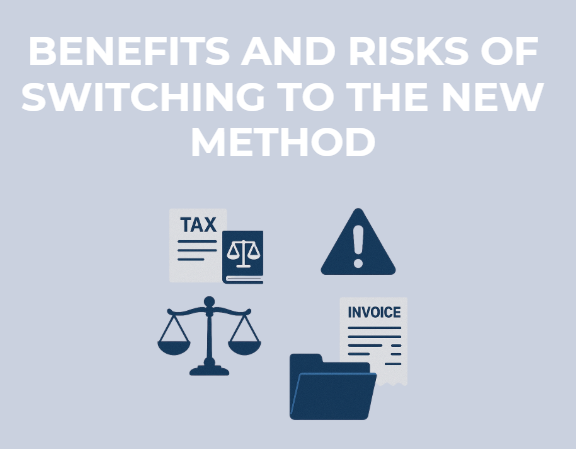
1. Benefits and Risks of Transition
Benefits:
- Transparency—accurately reflects actual revenue and profit;
- Financial autonomy and proactive tax payment management;
- Reduced disputes with tax authorities over lump-sum assessments;
- Convenience when expanding scale or applying for business registration.
Risks and challenges:
- Requires basic accounting knowledge for accurate declaration;
- Initial investment in accounting software or professional services;
- Penalties apply if declarations are incorrect or payments are late.
2. Business Household Responsibility for Accurate Declaration
Under the new rules, business households bear full responsibility for the honesty and accuracy of declared data. Incorrect declarations, underpayment, or fraud will be penalized per the Law on Tax Administration, potentially up to 20% of underpaid tax plus late payment fees.
Therefore, businesses should proactively:
- Maintain complete records and preserve invoices and supporting documents;
- Use accounting software or seek advice from professional accounting services;
- Periodically verify compliance with tax authorities to prevent errors.
The official implementation of self-declaration and self-payment for business households from January 1, 2026, is a major step toward modernizing Vietnam’s tax system. Although initial changes and challenges exist, with thorough 2025 preparation and support from tax authorities and accounting professionals, business households can adapt quickly and operate more proactively in the new period.
The self-declaration and self-payment method represents a significant transformation of Vietnam’s tax industry, advancing toward a more modern, transparent, and equitable tax management system aligned with digital economy trends.
For any inquiries, contact Wacontre Accounting Services via Hotline: (028) 3820 1213 or email [email protected] for prompt assistance. With a team of experienced professionals, Wacontre is committed to providing dedicated and efficient service.
1. Benefits and Risks of Transition
Benefits:
- Transparency—accurately reflects actual revenue and profit;
- Financial autonomy and proactive tax payment management;
- Reduced disputes with tax authorities over lump-sum assessments;
- Convenience when expanding scale or applying for business registration.
Risks and challenges:
- Requires basic accounting knowledge for accurate declaration;
- Initial investment in accounting software or professional services;
- Penalties apply if declarations are incorrect or payments are late.
2. Business Household Responsibility for Accurate Declaration
Under the new rules, business households bear full responsibility for the honesty and accuracy of declared data. Incorrect declarations, underpayment, or fraud will be penalized per the Law on Tax Administration, potentially up to 20% of underpaid tax plus late payment fees.
Therefore, businesses should proactively:
- Maintain complete records and preserve invoices and supporting documents;
- Use accounting software or seek advice from professional accounting services;
- Periodically verify compliance with tax authorities to prevent errors.
The official implementation of self-declaration and self-payment for business households from January 1, 2026, is a major step toward modernizing Vietnam’s tax system. Although initial changes and challenges exist, with thorough 2025 preparation and support from tax authorities and accounting professionals, business households can adapt quickly and operate more proactively in the new period.
The self-declaration and self-payment method represents a significant transformation of Vietnam’s tax industry, advancing toward a more modern, transparent, and equitable tax management system aligned with digital economy trends.
For any inquiries, contact Wacontre Accounting Services via Hotline: (028) 3820 1213 or email [email protected] for prompt assistance. With a team of experienced professionals, Wacontre is committed to providing dedicated and efficient service.
| Criteria | Lump-Sum Tax (Old) | Self-Declaration and Self-Payment (New) |
| Tax calculation method | Tax authority determines estimated revenue | Household self-determines actual revenue and expenses |
| Transparency level | Low, prone to disputes | High, with full documentation |
| Management tools | Manual, paper-based notes | Electronic Tax system, electronic invoices |
| Responsibility | Pre-calculated tax, less initiative | Self-declaration and self-responsibility |
| Suitable for | Small households, low revenue | Medium and large households with simple systems |
1. Benefits and Risks of Transition
Benefits:
- Transparency—accurately reflects actual revenue and profit;
- Financial autonomy and proactive tax payment management;
- Reduced disputes with tax authorities over lump-sum assessments;
- Convenience when expanding scale or applying for business registration.
Risks and challenges:
- Requires basic accounting knowledge for accurate declaration;
- Initial investment in accounting software or professional services;
- Penalties apply if declarations are incorrect or payments are late.
2. Business Household Responsibility for Accurate Declaration
Under the new rules, business households bear full responsibility for the honesty and accuracy of declared data. Incorrect declarations, underpayment, or fraud will be penalized per the Law on Tax Administration, potentially up to 20% of underpaid tax plus late payment fees.
Therefore, businesses should proactively:
- Maintain complete records and preserve invoices and supporting documents;
- Use accounting software or seek advice from professional accounting services;
- Periodically verify compliance with tax authorities to prevent errors.
The official implementation of self-declaration and self-payment for business households from January 1, 2026, is a major step toward modernizing Vietnam’s tax system. Although initial changes and challenges exist, with thorough 2025 preparation and support from tax authorities and accounting professionals, business households can adapt quickly and operate more proactively in the new period.
The self-declaration and self-payment method represents a significant transformation of Vietnam’s tax industry, advancing toward a more modern, transparent, and equitable tax management system aligned with digital economy trends.
For any inquiries, contact Wacontre Accounting Services via Hotline: (028) 3820 1213 or email [email protected] for prompt assistance. With a team of experienced professionals, Wacontre is committed to providing dedicated and efficient service.
Comparison: Old Lump-Sum Tax vs. New Self-Declaration Method
| Criteria | Lump-Sum Tax (Old) | Self-Declaration and Self-Payment (New) |
| Tax calculation method | Tax authority determines estimated revenue | Household self-determines actual revenue and expenses |
| Transparency level | Low, prone to disputes | High, with full documentation |
| Management tools | Manual, paper-based notes | Electronic Tax system, electronic invoices |
| Responsibility | Pre-calculated tax, less initiative | Self-declaration and self-responsibility |
| Suitable for | Small households, low revenue | Medium and large households with simple systems |
1. Benefits and Risks of Transition
Benefits:
- Transparency—accurately reflects actual revenue and profit;
- Financial autonomy and proactive tax payment management;
- Reduced disputes with tax authorities over lump-sum assessments;
- Convenience when expanding scale or applying for business registration.
Risks and challenges:
- Requires basic accounting knowledge for accurate declaration;
- Initial investment in accounting software or professional services;
- Penalties apply if declarations are incorrect or payments are late.
2. Business Household Responsibility for Accurate Declaration
Under the new rules, business households bear full responsibility for the honesty and accuracy of declared data. Incorrect declarations, underpayment, or fraud will be penalized per the Law on Tax Administration, potentially up to 20% of underpaid tax plus late payment fees.
Therefore, businesses should proactively:
- Maintain complete records and preserve invoices and supporting documents;
- Use accounting software or seek advice from professional accounting services;
- Periodically verify compliance with tax authorities to prevent errors.
The official implementation of self-declaration and self-payment for business households from January 1, 2026, is a major step toward modernizing Vietnam’s tax system. Although initial changes and challenges exist, with thorough 2025 preparation and support from tax authorities and accounting professionals, business households can adapt quickly and operate more proactively in the new period.
The self-declaration and self-payment method represents a significant transformation of Vietnam’s tax industry, advancing toward a more modern, transparent, and equitable tax management system aligned with digital economy trends.
For any inquiries, contact Wacontre Accounting Services via Hotline: (028) 3820 1213 or email [email protected] for prompt assistance. With a team of experienced professionals, Wacontre is committed to providing dedicated and efficient service.
Households with lower revenue (under VND 100 million annually) may remain exempt from certain taxes but must still submit tax reports timely to ensure transparency of business income.
Comparison: Old Lump-Sum Tax vs. New Self-Declaration Method
| Criteria | Lump-Sum Tax (Old) | Self-Declaration and Self-Payment (New) |
| Tax calculation method | Tax authority determines estimated revenue | Household self-determines actual revenue and expenses |
| Transparency level | Low, prone to disputes | High, with full documentation |
| Management tools | Manual, paper-based notes | Electronic Tax system, electronic invoices |
| Responsibility | Pre-calculated tax, less initiative | Self-declaration and self-responsibility |
| Suitable for | Small households, low revenue | Medium and large households with simple systems |
1. Benefits and Risks of Transition
Benefits:
- Transparency—accurately reflects actual revenue and profit;
- Financial autonomy and proactive tax payment management;
- Reduced disputes with tax authorities over lump-sum assessments;
- Convenience when expanding scale or applying for business registration.
Risks and challenges:
- Requires basic accounting knowledge for accurate declaration;
- Initial investment in accounting software or professional services;
- Penalties apply if declarations are incorrect or payments are late.
2. Business Household Responsibility for Accurate Declaration
Under the new rules, business households bear full responsibility for the honesty and accuracy of declared data. Incorrect declarations, underpayment, or fraud will be penalized per the Law on Tax Administration, potentially up to 20% of underpaid tax plus late payment fees.
Therefore, businesses should proactively:
- Maintain complete records and preserve invoices and supporting documents;
- Use accounting software or seek advice from professional accounting services;
- Periodically verify compliance with tax authorities to prevent errors.
The official implementation of self-declaration and self-payment for business households from January 1, 2026, is a major step toward modernizing Vietnam’s tax system. Although initial changes and challenges exist, with thorough 2025 preparation and support from tax authorities and accounting professionals, business households can adapt quickly and operate more proactively in the new period.
The self-declaration and self-payment method represents a significant transformation of Vietnam’s tax industry, advancing toward a more modern, transparent, and equitable tax management system aligned with digital economy trends.
For any inquiries, contact Wacontre Accounting Services via Hotline: (028) 3820 1213 or email [email protected] for prompt assistance. With a team of experienced professionals, Wacontre is committed to providing dedicated and efficient service.
Households with lower revenue (under VND 100 million annually) may remain exempt from certain taxes but must still submit tax reports timely to ensure transparency of business income.
Comparison: Old Lump-Sum Tax vs. New Self-Declaration Method
| Criteria | Lump-Sum Tax (Old) | Self-Declaration and Self-Payment (New) |
| Tax calculation method | Tax authority determines estimated revenue | Household self-determines actual revenue and expenses |
| Transparency level | Low, prone to disputes | High, with full documentation |
| Management tools | Manual, paper-based notes | Electronic Tax system, electronic invoices |
| Responsibility | Pre-calculated tax, less initiative | Self-declaration and self-responsibility |
| Suitable for | Small households, low revenue | Medium and large households with simple systems |
1. Benefits and Risks of Transition
Benefits:
- Transparency—accurately reflects actual revenue and profit;
- Financial autonomy and proactive tax payment management;
- Reduced disputes with tax authorities over lump-sum assessments;
- Convenience when expanding scale or applying for business registration.
Risks and challenges:
- Requires basic accounting knowledge for accurate declaration;
- Initial investment in accounting software or professional services;
- Penalties apply if declarations are incorrect or payments are late.
2. Business Household Responsibility for Accurate Declaration
Under the new rules, business households bear full responsibility for the honesty and accuracy of declared data. Incorrect declarations, underpayment, or fraud will be penalized per the Law on Tax Administration, potentially up to 20% of underpaid tax plus late payment fees.
Therefore, businesses should proactively:
- Maintain complete records and preserve invoices and supporting documents;
- Use accounting software or seek advice from professional accounting services;
- Periodically verify compliance with tax authorities to prevent errors.
The official implementation of self-declaration and self-payment for business households from January 1, 2026, is a major step toward modernizing Vietnam’s tax system. Although initial changes and challenges exist, with thorough 2025 preparation and support from tax authorities and accounting professionals, business households can adapt quickly and operate more proactively in the new period.
The self-declaration and self-payment method represents a significant transformation of Vietnam’s tax industry, advancing toward a more modern, transparent, and equitable tax management system aligned with digital economy trends.
For any inquiries, contact Wacontre Accounting Services via Hotline: (028) 3820 1213 or email [email protected] for prompt assistance. With a team of experienced professionals, Wacontre is committed to providing dedicated and efficient service.
Households with lower revenue (under VND 100 million annually) may remain exempt from certain taxes but must still submit tax reports timely to ensure transparency of business income.
Comparison: Old Lump-Sum Tax vs. New Self-Declaration Method
| Criteria | Lump-Sum Tax (Old) | Self-Declaration and Self-Payment (New) |
| Tax calculation method | Tax authority determines estimated revenue | Household self-determines actual revenue and expenses |
| Transparency level | Low, prone to disputes | High, with full documentation |
| Management tools | Manual, paper-based notes | Electronic Tax system, electronic invoices |
| Responsibility | Pre-calculated tax, less initiative | Self-declaration and self-responsibility |
| Suitable for | Small households, low revenue | Medium and large households with simple systems |
1. Benefits and Risks of Transition
Benefits:
- Transparency—accurately reflects actual revenue and profit;
- Financial autonomy and proactive tax payment management;
- Reduced disputes with tax authorities over lump-sum assessments;
- Convenience when expanding scale or applying for business registration.
Risks and challenges:
- Requires basic accounting knowledge for accurate declaration;
- Initial investment in accounting software or professional services;
- Penalties apply if declarations are incorrect or payments are late.
2. Business Household Responsibility for Accurate Declaration
Under the new rules, business households bear full responsibility for the honesty and accuracy of declared data. Incorrect declarations, underpayment, or fraud will be penalized per the Law on Tax Administration, potentially up to 20% of underpaid tax plus late payment fees.
Therefore, businesses should proactively:
- Maintain complete records and preserve invoices and supporting documents;
- Use accounting software or seek advice from professional accounting services;
- Periodically verify compliance with tax authorities to prevent errors.
The official implementation of self-declaration and self-payment for business households from January 1, 2026, is a major step toward modernizing Vietnam’s tax system. Although initial changes and challenges exist, with thorough 2025 preparation and support from tax authorities and accounting professionals, business households can adapt quickly and operate more proactively in the new period.
The self-declaration and self-payment method represents a significant transformation of Vietnam’s tax industry, advancing toward a more modern, transparent, and equitable tax management system aligned with digital economy trends.
For any inquiries, contact Wacontre Accounting Services via Hotline: (028) 3820 1213 or email [email protected] for prompt assistance. With a team of experienced professionals, Wacontre is committed to providing dedicated and efficient service.
Households with lower revenue (under VND 100 million annually) may remain exempt from certain taxes but must still submit tax reports timely to ensure transparency of business income.
Comparison: Old Lump-Sum Tax vs. New Self-Declaration Method
| Criteria | Lump-Sum Tax (Old) | Self-Declaration and Self-Payment (New) |
| Tax calculation method | Tax authority determines estimated revenue | Household self-determines actual revenue and expenses |
| Transparency level | Low, prone to disputes | High, with full documentation |
| Management tools | Manual, paper-based notes | Electronic Tax system, electronic invoices |
| Responsibility | Pre-calculated tax, less initiative | Self-declaration and self-responsibility |
| Suitable for | Small households, low revenue | Medium and large households with simple systems |
1. Benefits and Risks of Transition
Benefits:
- Transparency—accurately reflects actual revenue and profit;
- Financial autonomy and proactive tax payment management;
- Reduced disputes with tax authorities over lump-sum assessments;
- Convenience when expanding scale or applying for business registration.
Risks and challenges:
- Requires basic accounting knowledge for accurate declaration;
- Initial investment in accounting software or professional services;
- Penalties apply if declarations are incorrect or payments are late.
2. Business Household Responsibility for Accurate Declaration
Under the new rules, business households bear full responsibility for the honesty and accuracy of declared data. Incorrect declarations, underpayment, or fraud will be penalized per the Law on Tax Administration, potentially up to 20% of underpaid tax plus late payment fees.
Therefore, businesses should proactively:
- Maintain complete records and preserve invoices and supporting documents;
- Use accounting software or seek advice from professional accounting services;
- Periodically verify compliance with tax authorities to prevent errors.
The official implementation of self-declaration and self-payment for business households from January 1, 2026, is a major step toward modernizing Vietnam’s tax system. Although initial changes and challenges exist, with thorough 2025 preparation and support from tax authorities and accounting professionals, business households can adapt quickly and operate more proactively in the new period.
The self-declaration and self-payment method represents a significant transformation of Vietnam’s tax industry, advancing toward a more modern, transparent, and equitable tax management system aligned with digital economy trends.
For any inquiries, contact Wacontre Accounting Services via Hotline: (028) 3820 1213 or email [email protected] for prompt assistance. With a team of experienced professionals, Wacontre is committed to providing dedicated and efficient service.
- Business households with stable trading, production, and service operations;
- Business households with registered tax codes and electronic invoices;
- Business households using workers, renting premises, selling online, or maintaining continuously high revenue exceeding thresholds.
Households with lower revenue (under VND 100 million annually) may remain exempt from certain taxes but must still submit tax reports timely to ensure transparency of business income.
Comparison: Old Lump-Sum Tax vs. New Self-Declaration Method
| Criteria | Lump-Sum Tax (Old) | Self-Declaration and Self-Payment (New) |
| Tax calculation method | Tax authority determines estimated revenue | Household self-determines actual revenue and expenses |
| Transparency level | Low, prone to disputes | High, with full documentation |
| Management tools | Manual, paper-based notes | Electronic Tax system, electronic invoices |
| Responsibility | Pre-calculated tax, less initiative | Self-declaration and self-responsibility |
| Suitable for | Small households, low revenue | Medium and large households with simple systems |
1. Benefits and Risks of Transition
Benefits:
- Transparency—accurately reflects actual revenue and profit;
- Financial autonomy and proactive tax payment management;
- Reduced disputes with tax authorities over lump-sum assessments;
- Convenience when expanding scale or applying for business registration.
Risks and challenges:
- Requires basic accounting knowledge for accurate declaration;
- Initial investment in accounting software or professional services;
- Penalties apply if declarations are incorrect or payments are late.
2. Business Household Responsibility for Accurate Declaration
Under the new rules, business households bear full responsibility for the honesty and accuracy of declared data. Incorrect declarations, underpayment, or fraud will be penalized per the Law on Tax Administration, potentially up to 20% of underpaid tax plus late payment fees.
Therefore, businesses should proactively:
- Maintain complete records and preserve invoices and supporting documents;
- Use accounting software or seek advice from professional accounting services;
- Periodically verify compliance with tax authorities to prevent errors.
The official implementation of self-declaration and self-payment for business households from January 1, 2026, is a major step toward modernizing Vietnam’s tax system. Although initial changes and challenges exist, with thorough 2025 preparation and support from tax authorities and accounting professionals, business households can adapt quickly and operate more proactively in the new period.
The self-declaration and self-payment method represents a significant transformation of Vietnam’s tax industry, advancing toward a more modern, transparent, and equitable tax management system aligned with digital economy trends.
For any inquiries, contact Wacontre Accounting Services via Hotline: (028) 3820 1213 or email [email protected] for prompt assistance. With a team of experienced professionals, Wacontre is committed to providing dedicated and efficient service.
Per the Ministry of Finance draft, business households with revenue exceeding VND 100 million annually must declare taxes. Specific applicable groups include:
- Business households with stable trading, production, and service operations;
- Business households with registered tax codes and electronic invoices;
- Business households using workers, renting premises, selling online, or maintaining continuously high revenue exceeding thresholds.
Households with lower revenue (under VND 100 million annually) may remain exempt from certain taxes but must still submit tax reports timely to ensure transparency of business income.
Comparison: Old Lump-Sum Tax vs. New Self-Declaration Method
| Criteria | Lump-Sum Tax (Old) | Self-Declaration and Self-Payment (New) |
| Tax calculation method | Tax authority determines estimated revenue | Household self-determines actual revenue and expenses |
| Transparency level | Low, prone to disputes | High, with full documentation |
| Management tools | Manual, paper-based notes | Electronic Tax system, electronic invoices |
| Responsibility | Pre-calculated tax, less initiative | Self-declaration and self-responsibility |
| Suitable for | Small households, low revenue | Medium and large households with simple systems |
1. Benefits and Risks of Transition
Benefits:
- Transparency—accurately reflects actual revenue and profit;
- Financial autonomy and proactive tax payment management;
- Reduced disputes with tax authorities over lump-sum assessments;
- Convenience when expanding scale or applying for business registration.
Risks and challenges:
- Requires basic accounting knowledge for accurate declaration;
- Initial investment in accounting software or professional services;
- Penalties apply if declarations are incorrect or payments are late.
2. Business Household Responsibility for Accurate Declaration
Under the new rules, business households bear full responsibility for the honesty and accuracy of declared data. Incorrect declarations, underpayment, or fraud will be penalized per the Law on Tax Administration, potentially up to 20% of underpaid tax plus late payment fees.
Therefore, businesses should proactively:
- Maintain complete records and preserve invoices and supporting documents;
- Use accounting software or seek advice from professional accounting services;
- Periodically verify compliance with tax authorities to prevent errors.
The official implementation of self-declaration and self-payment for business households from January 1, 2026, is a major step toward modernizing Vietnam’s tax system. Although initial changes and challenges exist, with thorough 2025 preparation and support from tax authorities and accounting professionals, business households can adapt quickly and operate more proactively in the new period.
The self-declaration and self-payment method represents a significant transformation of Vietnam’s tax industry, advancing toward a more modern, transparent, and equitable tax management system aligned with digital economy trends.
For any inquiries, contact Wacontre Accounting Services via Hotline: (028) 3820 1213 or email [email protected] for prompt assistance. With a team of experienced professionals, Wacontre is committed to providing dedicated and efficient service.
2. Business Households Required to Self-Declare and Self-Pay
Per the Ministry of Finance draft, business households with revenue exceeding VND 100 million annually must declare taxes. Specific applicable groups include:
- Business households with stable trading, production, and service operations;
- Business households with registered tax codes and electronic invoices;
- Business households using workers, renting premises, selling online, or maintaining continuously high revenue exceeding thresholds.
Households with lower revenue (under VND 100 million annually) may remain exempt from certain taxes but must still submit tax reports timely to ensure transparency of business income.
Comparison: Old Lump-Sum Tax vs. New Self-Declaration Method
| Criteria | Lump-Sum Tax (Old) | Self-Declaration and Self-Payment (New) |
| Tax calculation method | Tax authority determines estimated revenue | Household self-determines actual revenue and expenses |
| Transparency level | Low, prone to disputes | High, with full documentation |
| Management tools | Manual, paper-based notes | Electronic Tax system, electronic invoices |
| Responsibility | Pre-calculated tax, less initiative | Self-declaration and self-responsibility |
| Suitable for | Small households, low revenue | Medium and large households with simple systems |
1. Benefits and Risks of Transition
Benefits:
- Transparency—accurately reflects actual revenue and profit;
- Financial autonomy and proactive tax payment management;
- Reduced disputes with tax authorities over lump-sum assessments;
- Convenience when expanding scale or applying for business registration.
Risks and challenges:
- Requires basic accounting knowledge for accurate declaration;
- Initial investment in accounting software or professional services;
- Penalties apply if declarations are incorrect or payments are late.
2. Business Household Responsibility for Accurate Declaration
Under the new rules, business households bear full responsibility for the honesty and accuracy of declared data. Incorrect declarations, underpayment, or fraud will be penalized per the Law on Tax Administration, potentially up to 20% of underpaid tax plus late payment fees.
Therefore, businesses should proactively:
- Maintain complete records and preserve invoices and supporting documents;
- Use accounting software or seek advice from professional accounting services;
- Periodically verify compliance with tax authorities to prevent errors.
The official implementation of self-declaration and self-payment for business households from January 1, 2026, is a major step toward modernizing Vietnam’s tax system. Although initial changes and challenges exist, with thorough 2025 preparation and support from tax authorities and accounting professionals, business households can adapt quickly and operate more proactively in the new period.
The self-declaration and self-payment method represents a significant transformation of Vietnam’s tax industry, advancing toward a more modern, transparent, and equitable tax management system aligned with digital economy trends.
For any inquiries, contact Wacontre Accounting Services via Hotline: (028) 3820 1213 or email [email protected] for prompt assistance. With a team of experienced professionals, Wacontre is committed to providing dedicated and efficient service.
These regulations follow the principle of “self-declaration – self-payment – self-responsibility,” enabling business households to be more proactive in financial management and legal compliance.
2. Business Households Required to Self-Declare and Self-Pay
Per the Ministry of Finance draft, business households with revenue exceeding VND 100 million annually must declare taxes. Specific applicable groups include:
- Business households with stable trading, production, and service operations;
- Business households with registered tax codes and electronic invoices;
- Business households using workers, renting premises, selling online, or maintaining continuously high revenue exceeding thresholds.
Households with lower revenue (under VND 100 million annually) may remain exempt from certain taxes but must still submit tax reports timely to ensure transparency of business income.
Comparison: Old Lump-Sum Tax vs. New Self-Declaration Method
| Criteria | Lump-Sum Tax (Old) | Self-Declaration and Self-Payment (New) |
| Tax calculation method | Tax authority determines estimated revenue | Household self-determines actual revenue and expenses |
| Transparency level | Low, prone to disputes | High, with full documentation |
| Management tools | Manual, paper-based notes | Electronic Tax system, electronic invoices |
| Responsibility | Pre-calculated tax, less initiative | Self-declaration and self-responsibility |
| Suitable for | Small households, low revenue | Medium and large households with simple systems |
1. Benefits and Risks of Transition
Benefits:
- Transparency—accurately reflects actual revenue and profit;
- Financial autonomy and proactive tax payment management;
- Reduced disputes with tax authorities over lump-sum assessments;
- Convenience when expanding scale or applying for business registration.
Risks and challenges:
- Requires basic accounting knowledge for accurate declaration;
- Initial investment in accounting software or professional services;
- Penalties apply if declarations are incorrect or payments are late.
2. Business Household Responsibility for Accurate Declaration
Under the new rules, business households bear full responsibility for the honesty and accuracy of declared data. Incorrect declarations, underpayment, or fraud will be penalized per the Law on Tax Administration, potentially up to 20% of underpaid tax plus late payment fees.
Therefore, businesses should proactively:
- Maintain complete records and preserve invoices and supporting documents;
- Use accounting software or seek advice from professional accounting services;
- Periodically verify compliance with tax authorities to prevent errors.
The official implementation of self-declaration and self-payment for business households from January 1, 2026, is a major step toward modernizing Vietnam’s tax system. Although initial changes and challenges exist, with thorough 2025 preparation and support from tax authorities and accounting professionals, business households can adapt quickly and operate more proactively in the new period.
The self-declaration and self-payment method represents a significant transformation of Vietnam’s tax industry, advancing toward a more modern, transparent, and equitable tax management system aligned with digital economy trends.
For any inquiries, contact Wacontre Accounting Services via Hotline: (028) 3820 1213 or email [email protected] for prompt assistance. With a team of experienced professionals, Wacontre is committed to providing dedicated and efficient service.
These regulations follow the principle of “self-declaration – self-payment – self-responsibility,” enabling business households to be more proactive in financial management and legal compliance.
2. Business Households Required to Self-Declare and Self-Pay
Per the Ministry of Finance draft, business households with revenue exceeding VND 100 million annually must declare taxes. Specific applicable groups include:
- Business households with stable trading, production, and service operations;
- Business households with registered tax codes and electronic invoices;
- Business households using workers, renting premises, selling online, or maintaining continuously high revenue exceeding thresholds.
Households with lower revenue (under VND 100 million annually) may remain exempt from certain taxes but must still submit tax reports timely to ensure transparency of business income.
Comparison: Old Lump-Sum Tax vs. New Self-Declaration Method
| Criteria | Lump-Sum Tax (Old) | Self-Declaration and Self-Payment (New) |
| Tax calculation method | Tax authority determines estimated revenue | Household self-determines actual revenue and expenses |
| Transparency level | Low, prone to disputes | High, with full documentation |
| Management tools | Manual, paper-based notes | Electronic Tax system, electronic invoices |
| Responsibility | Pre-calculated tax, less initiative | Self-declaration and self-responsibility |
| Suitable for | Small households, low revenue | Medium and large households with simple systems |
1. Benefits and Risks of Transition
Benefits:
- Transparency—accurately reflects actual revenue and profit;
- Financial autonomy and proactive tax payment management;
- Reduced disputes with tax authorities over lump-sum assessments;
- Convenience when expanding scale or applying for business registration.
Risks and challenges:
- Requires basic accounting knowledge for accurate declaration;
- Initial investment in accounting software or professional services;
- Penalties apply if declarations are incorrect or payments are late.
2. Business Household Responsibility for Accurate Declaration
Under the new rules, business households bear full responsibility for the honesty and accuracy of declared data. Incorrect declarations, underpayment, or fraud will be penalized per the Law on Tax Administration, potentially up to 20% of underpaid tax plus late payment fees.
Therefore, businesses should proactively:
- Maintain complete records and preserve invoices and supporting documents;
- Use accounting software or seek advice from professional accounting services;
- Periodically verify compliance with tax authorities to prevent errors.
The official implementation of self-declaration and self-payment for business households from January 1, 2026, is a major step toward modernizing Vietnam’s tax system. Although initial changes and challenges exist, with thorough 2025 preparation and support from tax authorities and accounting professionals, business households can adapt quickly and operate more proactively in the new period.
The self-declaration and self-payment method represents a significant transformation of Vietnam’s tax industry, advancing toward a more modern, transparent, and equitable tax management system aligned with digital economy trends.
For any inquiries, contact Wacontre Accounting Services via Hotline: (028) 3820 1213 or email [email protected] for prompt assistance. With a team of experienced professionals, Wacontre is committed to providing dedicated and efficient service.
These regulations follow the principle of “self-declaration – self-payment – self-responsibility,” enabling business households to be more proactive in financial management and legal compliance.
2. Business Households Required to Self-Declare and Self-Pay
Per the Ministry of Finance draft, business households with revenue exceeding VND 100 million annually must declare taxes. Specific applicable groups include:
- Business households with stable trading, production, and service operations;
- Business households with registered tax codes and electronic invoices;
- Business households using workers, renting premises, selling online, or maintaining continuously high revenue exceeding thresholds.
Households with lower revenue (under VND 100 million annually) may remain exempt from certain taxes but must still submit tax reports timely to ensure transparency of business income.
Comparison: Old Lump-Sum Tax vs. New Self-Declaration Method
| Criteria | Lump-Sum Tax (Old) | Self-Declaration and Self-Payment (New) |
| Tax calculation method | Tax authority determines estimated revenue | Household self-determines actual revenue and expenses |
| Transparency level | Low, prone to disputes | High, with full documentation |
| Management tools | Manual, paper-based notes | Electronic Tax system, electronic invoices |
| Responsibility | Pre-calculated tax, less initiative | Self-declaration and self-responsibility |
| Suitable for | Small households, low revenue | Medium and large households with simple systems |
1. Benefits and Risks of Transition
Benefits:
- Transparency—accurately reflects actual revenue and profit;
- Financial autonomy and proactive tax payment management;
- Reduced disputes with tax authorities over lump-sum assessments;
- Convenience when expanding scale or applying for business registration.
Risks and challenges:
- Requires basic accounting knowledge for accurate declaration;
- Initial investment in accounting software or professional services;
- Penalties apply if declarations are incorrect or payments are late.
2. Business Household Responsibility for Accurate Declaration
Under the new rules, business households bear full responsibility for the honesty and accuracy of declared data. Incorrect declarations, underpayment, or fraud will be penalized per the Law on Tax Administration, potentially up to 20% of underpaid tax plus late payment fees.
Therefore, businesses should proactively:
- Maintain complete records and preserve invoices and supporting documents;
- Use accounting software or seek advice from professional accounting services;
- Periodically verify compliance with tax authorities to prevent errors.
The official implementation of self-declaration and self-payment for business households from January 1, 2026, is a major step toward modernizing Vietnam’s tax system. Although initial changes and challenges exist, with thorough 2025 preparation and support from tax authorities and accounting professionals, business households can adapt quickly and operate more proactively in the new period.
The self-declaration and self-payment method represents a significant transformation of Vietnam’s tax industry, advancing toward a more modern, transparent, and equitable tax management system aligned with digital economy trends.
For any inquiries, contact Wacontre Accounting Services via Hotline: (028) 3820 1213 or email [email protected] for prompt assistance. With a team of experienced professionals, Wacontre is committed to providing dedicated and efficient service.
These regulations follow the principle of “self-declaration – self-payment – self-responsibility,” enabling business households to be more proactive in financial management and legal compliance.
2. Business Households Required to Self-Declare and Self-Pay
Per the Ministry of Finance draft, business households with revenue exceeding VND 100 million annually must declare taxes. Specific applicable groups include:
- Business households with stable trading, production, and service operations;
- Business households with registered tax codes and electronic invoices;
- Business households using workers, renting premises, selling online, or maintaining continuously high revenue exceeding thresholds.
Households with lower revenue (under VND 100 million annually) may remain exempt from certain taxes but must still submit tax reports timely to ensure transparency of business income.
Comparison: Old Lump-Sum Tax vs. New Self-Declaration Method
| Criteria | Lump-Sum Tax (Old) | Self-Declaration and Self-Payment (New) |
| Tax calculation method | Tax authority determines estimated revenue | Household self-determines actual revenue and expenses |
| Transparency level | Low, prone to disputes | High, with full documentation |
| Management tools | Manual, paper-based notes | Electronic Tax system, electronic invoices |
| Responsibility | Pre-calculated tax, less initiative | Self-declaration and self-responsibility |
| Suitable for | Small households, low revenue | Medium and large households with simple systems |
1. Benefits and Risks of Transition
Benefits:
- Transparency—accurately reflects actual revenue and profit;
- Financial autonomy and proactive tax payment management;
- Reduced disputes with tax authorities over lump-sum assessments;
- Convenience when expanding scale or applying for business registration.
Risks and challenges:
- Requires basic accounting knowledge for accurate declaration;
- Initial investment in accounting software or professional services;
- Penalties apply if declarations are incorrect or payments are late.
2. Business Household Responsibility for Accurate Declaration
Under the new rules, business households bear full responsibility for the honesty and accuracy of declared data. Incorrect declarations, underpayment, or fraud will be penalized per the Law on Tax Administration, potentially up to 20% of underpaid tax plus late payment fees.
Therefore, businesses should proactively:
- Maintain complete records and preserve invoices and supporting documents;
- Use accounting software or seek advice from professional accounting services;
- Periodically verify compliance with tax authorities to prevent errors.
The official implementation of self-declaration and self-payment for business households from January 1, 2026, is a major step toward modernizing Vietnam’s tax system. Although initial changes and challenges exist, with thorough 2025 preparation and support from tax authorities and accounting professionals, business households can adapt quickly and operate more proactively in the new period.
The self-declaration and self-payment method represents a significant transformation of Vietnam’s tax industry, advancing toward a more modern, transparent, and equitable tax management system aligned with digital economy trends.
For any inquiries, contact Wacontre Accounting Services via Hotline: (028) 3820 1213 or email [email protected] for prompt assistance. With a team of experienced professionals, Wacontre is committed to providing dedicated and efficient service.
These regulations follow the principle of “self-declaration – self-payment – self-responsibility,” enabling business households to be more proactive in financial management and legal compliance.
2. Business Households Required to Self-Declare and Self-Pay
Per the Ministry of Finance draft, business households with revenue exceeding VND 100 million annually must declare taxes. Specific applicable groups include:
- Business households with stable trading, production, and service operations;
- Business households with registered tax codes and electronic invoices;
- Business households using workers, renting premises, selling online, or maintaining continuously high revenue exceeding thresholds.
Households with lower revenue (under VND 100 million annually) may remain exempt from certain taxes but must still submit tax reports timely to ensure transparency of business income.
Comparison: Old Lump-Sum Tax vs. New Self-Declaration Method
| Criteria | Lump-Sum Tax (Old) | Self-Declaration and Self-Payment (New) |
| Tax calculation method | Tax authority determines estimated revenue | Household self-determines actual revenue and expenses |
| Transparency level | Low, prone to disputes | High, with full documentation |
| Management tools | Manual, paper-based notes | Electronic Tax system, electronic invoices |
| Responsibility | Pre-calculated tax, less initiative | Self-declaration and self-responsibility |
| Suitable for | Small households, low revenue | Medium and large households with simple systems |
1. Benefits and Risks of Transition
Benefits:
- Transparency—accurately reflects actual revenue and profit;
- Financial autonomy and proactive tax payment management;
- Reduced disputes with tax authorities over lump-sum assessments;
- Convenience when expanding scale or applying for business registration.
Risks and challenges:
- Requires basic accounting knowledge for accurate declaration;
- Initial investment in accounting software or professional services;
- Penalties apply if declarations are incorrect or payments are late.
2. Business Household Responsibility for Accurate Declaration
Under the new rules, business households bear full responsibility for the honesty and accuracy of declared data. Incorrect declarations, underpayment, or fraud will be penalized per the Law on Tax Administration, potentially up to 20% of underpaid tax plus late payment fees.
Therefore, businesses should proactively:
- Maintain complete records and preserve invoices and supporting documents;
- Use accounting software or seek advice from professional accounting services;
- Periodically verify compliance with tax authorities to prevent errors.
The official implementation of self-declaration and self-payment for business households from January 1, 2026, is a major step toward modernizing Vietnam’s tax system. Although initial changes and challenges exist, with thorough 2025 preparation and support from tax authorities and accounting professionals, business households can adapt quickly and operate more proactively in the new period.
The self-declaration and self-payment method represents a significant transformation of Vietnam’s tax industry, advancing toward a more modern, transparent, and equitable tax management system aligned with digital economy trends.
For any inquiries, contact Wacontre Accounting Services via Hotline: (028) 3820 1213 or email [email protected] for prompt assistance. With a team of experienced professionals, Wacontre is committed to providing dedicated and efficient service.
- Regulations on applicable subjects and revenue thresholds for declaration;
- Methods for maintaining accounting records and preparing tax declarations;
- Instructions on tax code registration and business household information reporting;
- Procedures for electronic tax payment and penalties for false declarations.
These regulations follow the principle of “self-declaration – self-payment – self-responsibility,” enabling business households to be more proactive in financial management and legal compliance.
2. Business Households Required to Self-Declare and Self-Pay
Per the Ministry of Finance draft, business households with revenue exceeding VND 100 million annually must declare taxes. Specific applicable groups include:
- Business households with stable trading, production, and service operations;
- Business households with registered tax codes and electronic invoices;
- Business households using workers, renting premises, selling online, or maintaining continuously high revenue exceeding thresholds.
Households with lower revenue (under VND 100 million annually) may remain exempt from certain taxes but must still submit tax reports timely to ensure transparency of business income.
Comparison: Old Lump-Sum Tax vs. New Self-Declaration Method
| Criteria | Lump-Sum Tax (Old) | Self-Declaration and Self-Payment (New) |
| Tax calculation method | Tax authority determines estimated revenue | Household self-determines actual revenue and expenses |
| Transparency level | Low, prone to disputes | High, with full documentation |
| Management tools | Manual, paper-based notes | Electronic Tax system, electronic invoices |
| Responsibility | Pre-calculated tax, less initiative | Self-declaration and self-responsibility |
| Suitable for | Small households, low revenue | Medium and large households with simple systems |
1. Benefits and Risks of Transition
Benefits:
- Transparency—accurately reflects actual revenue and profit;
- Financial autonomy and proactive tax payment management;
- Reduced disputes with tax authorities over lump-sum assessments;
- Convenience when expanding scale or applying for business registration.
Risks and challenges:
- Requires basic accounting knowledge for accurate declaration;
- Initial investment in accounting software or professional services;
- Penalties apply if declarations are incorrect or payments are late.
2. Business Household Responsibility for Accurate Declaration
Under the new rules, business households bear full responsibility for the honesty and accuracy of declared data. Incorrect declarations, underpayment, or fraud will be penalized per the Law on Tax Administration, potentially up to 20% of underpaid tax plus late payment fees.
Therefore, businesses should proactively:
- Maintain complete records and preserve invoices and supporting documents;
- Use accounting software or seek advice from professional accounting services;
- Periodically verify compliance with tax authorities to prevent errors.
The official implementation of self-declaration and self-payment for business households from January 1, 2026, is a major step toward modernizing Vietnam’s tax system. Although initial changes and challenges exist, with thorough 2025 preparation and support from tax authorities and accounting professionals, business households can adapt quickly and operate more proactively in the new period.
The self-declaration and self-payment method represents a significant transformation of Vietnam’s tax industry, advancing toward a more modern, transparent, and equitable tax management system aligned with digital economy trends.
For any inquiries, contact Wacontre Accounting Services via Hotline: (028) 3820 1213 or email [email protected] for prompt assistance. With a team of experienced professionals, Wacontre is committed to providing dedicated and efficient service.
The Ministry of Finance is expected to promulgate a separate guidance circular in 2025 for business household self-declaration and self-payment procedures, covering:
- Regulations on applicable subjects and revenue thresholds for declaration;
- Methods for maintaining accounting records and preparing tax declarations;
- Instructions on tax code registration and business household information reporting;
- Procedures for electronic tax payment and penalties for false declarations.
These regulations follow the principle of “self-declaration – self-payment – self-responsibility,” enabling business households to be more proactive in financial management and legal compliance.
2. Business Households Required to Self-Declare and Self-Pay
Per the Ministry of Finance draft, business households with revenue exceeding VND 100 million annually must declare taxes. Specific applicable groups include:
- Business households with stable trading, production, and service operations;
- Business households with registered tax codes and electronic invoices;
- Business households using workers, renting premises, selling online, or maintaining continuously high revenue exceeding thresholds.
Households with lower revenue (under VND 100 million annually) may remain exempt from certain taxes but must still submit tax reports timely to ensure transparency of business income.
Comparison: Old Lump-Sum Tax vs. New Self-Declaration Method
| Criteria | Lump-Sum Tax (Old) | Self-Declaration and Self-Payment (New) |
| Tax calculation method | Tax authority determines estimated revenue | Household self-determines actual revenue and expenses |
| Transparency level | Low, prone to disputes | High, with full documentation |
| Management tools | Manual, paper-based notes | Electronic Tax system, electronic invoices |
| Responsibility | Pre-calculated tax, less initiative | Self-declaration and self-responsibility |
| Suitable for | Small households, low revenue | Medium and large households with simple systems |
1. Benefits and Risks of Transition
Benefits:
- Transparency—accurately reflects actual revenue and profit;
- Financial autonomy and proactive tax payment management;
- Reduced disputes with tax authorities over lump-sum assessments;
- Convenience when expanding scale or applying for business registration.
Risks and challenges:
- Requires basic accounting knowledge for accurate declaration;
- Initial investment in accounting software or professional services;
- Penalties apply if declarations are incorrect or payments are late.
2. Business Household Responsibility for Accurate Declaration
Under the new rules, business households bear full responsibility for the honesty and accuracy of declared data. Incorrect declarations, underpayment, or fraud will be penalized per the Law on Tax Administration, potentially up to 20% of underpaid tax plus late payment fees.
Therefore, businesses should proactively:
- Maintain complete records and preserve invoices and supporting documents;
- Use accounting software or seek advice from professional accounting services;
- Periodically verify compliance with tax authorities to prevent errors.
The official implementation of self-declaration and self-payment for business households from January 1, 2026, is a major step toward modernizing Vietnam’s tax system. Although initial changes and challenges exist, with thorough 2025 preparation and support from tax authorities and accounting professionals, business households can adapt quickly and operate more proactively in the new period.
The self-declaration and self-payment method represents a significant transformation of Vietnam’s tax industry, advancing toward a more modern, transparent, and equitable tax management system aligned with digital economy trends.
For any inquiries, contact Wacontre Accounting Services via Hotline: (028) 3820 1213 or email [email protected] for prompt assistance. With a team of experienced professionals, Wacontre is committed to providing dedicated and efficient service.
Article 10, Clause 6 of Resolution 198/2025/QH15—passed May 17, 2025—states that business households and business individuals will no longer apply the lump-sum tax method but must declare and pay taxes per the Law on Tax Administration.
The Ministry of Finance is expected to promulgate a separate guidance circular in 2025 for business household self-declaration and self-payment procedures, covering:
- Regulations on applicable subjects and revenue thresholds for declaration;
- Methods for maintaining accounting records and preparing tax declarations;
- Instructions on tax code registration and business household information reporting;
- Procedures for electronic tax payment and penalties for false declarations.
These regulations follow the principle of “self-declaration – self-payment – self-responsibility,” enabling business households to be more proactive in financial management and legal compliance.
2. Business Households Required to Self-Declare and Self-Pay
Per the Ministry of Finance draft, business households with revenue exceeding VND 100 million annually must declare taxes. Specific applicable groups include:
- Business households with stable trading, production, and service operations;
- Business households with registered tax codes and electronic invoices;
- Business households using workers, renting premises, selling online, or maintaining continuously high revenue exceeding thresholds.
Households with lower revenue (under VND 100 million annually) may remain exempt from certain taxes but must still submit tax reports timely to ensure transparency of business income.
Comparison: Old Lump-Sum Tax vs. New Self-Declaration Method
| Criteria | Lump-Sum Tax (Old) | Self-Declaration and Self-Payment (New) |
| Tax calculation method | Tax authority determines estimated revenue | Household self-determines actual revenue and expenses |
| Transparency level | Low, prone to disputes | High, with full documentation |
| Management tools | Manual, paper-based notes | Electronic Tax system, electronic invoices |
| Responsibility | Pre-calculated tax, less initiative | Self-declaration and self-responsibility |
| Suitable for | Small households, low revenue | Medium and large households with simple systems |
1. Benefits and Risks of Transition
Benefits:
- Transparency—accurately reflects actual revenue and profit;
- Financial autonomy and proactive tax payment management;
- Reduced disputes with tax authorities over lump-sum assessments;
- Convenience when expanding scale or applying for business registration.
Risks and challenges:
- Requires basic accounting knowledge for accurate declaration;
- Initial investment in accounting software or professional services;
- Penalties apply if declarations are incorrect or payments are late.
2. Business Household Responsibility for Accurate Declaration
Under the new rules, business households bear full responsibility for the honesty and accuracy of declared data. Incorrect declarations, underpayment, or fraud will be penalized per the Law on Tax Administration, potentially up to 20% of underpaid tax plus late payment fees.
Therefore, businesses should proactively:
- Maintain complete records and preserve invoices and supporting documents;
- Use accounting software or seek advice from professional accounting services;
- Periodically verify compliance with tax authorities to prevent errors.
The official implementation of self-declaration and self-payment for business households from January 1, 2026, is a major step toward modernizing Vietnam’s tax system. Although initial changes and challenges exist, with thorough 2025 preparation and support from tax authorities and accounting professionals, business households can adapt quickly and operate more proactively in the new period.
The self-declaration and self-payment method represents a significant transformation of Vietnam’s tax industry, advancing toward a more modern, transparent, and equitable tax management system aligned with digital economy trends.
For any inquiries, contact Wacontre Accounting Services via Hotline: (028) 3820 1213 or email [email protected] for prompt assistance. With a team of experienced professionals, Wacontre is committed to providing dedicated and efficient service.
1. Legal Framework and Guidance Documents
Article 10, Clause 6 of Resolution 198/2025/QH15—passed May 17, 2025—states that business households and business individuals will no longer apply the lump-sum tax method but must declare and pay taxes per the Law on Tax Administration.
The Ministry of Finance is expected to promulgate a separate guidance circular in 2025 for business household self-declaration and self-payment procedures, covering:
- Regulations on applicable subjects and revenue thresholds for declaration;
- Methods for maintaining accounting records and preparing tax declarations;
- Instructions on tax code registration and business household information reporting;
- Procedures for electronic tax payment and penalties for false declarations.
These regulations follow the principle of “self-declaration – self-payment – self-responsibility,” enabling business households to be more proactive in financial management and legal compliance.
2. Business Households Required to Self-Declare and Self-Pay
Per the Ministry of Finance draft, business households with revenue exceeding VND 100 million annually must declare taxes. Specific applicable groups include:
- Business households with stable trading, production, and service operations;
- Business households with registered tax codes and electronic invoices;
- Business households using workers, renting premises, selling online, or maintaining continuously high revenue exceeding thresholds.
Households with lower revenue (under VND 100 million annually) may remain exempt from certain taxes but must still submit tax reports timely to ensure transparency of business income.
Comparison: Old Lump-Sum Tax vs. New Self-Declaration Method
| Criteria | Lump-Sum Tax (Old) | Self-Declaration and Self-Payment (New) |
| Tax calculation method | Tax authority determines estimated revenue | Household self-determines actual revenue and expenses |
| Transparency level | Low, prone to disputes | High, with full documentation |
| Management tools | Manual, paper-based notes | Electronic Tax system, electronic invoices |
| Responsibility | Pre-calculated tax, less initiative | Self-declaration and self-responsibility |
| Suitable for | Small households, low revenue | Medium and large households with simple systems |
1. Benefits and Risks of Transition
Benefits:
- Transparency—accurately reflects actual revenue and profit;
- Financial autonomy and proactive tax payment management;
- Reduced disputes with tax authorities over lump-sum assessments;
- Convenience when expanding scale or applying for business registration.
Risks and challenges:
- Requires basic accounting knowledge for accurate declaration;
- Initial investment in accounting software or professional services;
- Penalties apply if declarations are incorrect or payments are late.
2. Business Household Responsibility for Accurate Declaration
Under the new rules, business households bear full responsibility for the honesty and accuracy of declared data. Incorrect declarations, underpayment, or fraud will be penalized per the Law on Tax Administration, potentially up to 20% of underpaid tax plus late payment fees.
Therefore, businesses should proactively:
- Maintain complete records and preserve invoices and supporting documents;
- Use accounting software or seek advice from professional accounting services;
- Periodically verify compliance with tax authorities to prevent errors.
The official implementation of self-declaration and self-payment for business households from January 1, 2026, is a major step toward modernizing Vietnam’s tax system. Although initial changes and challenges exist, with thorough 2025 preparation and support from tax authorities and accounting professionals, business households can adapt quickly and operate more proactively in the new period.
The self-declaration and self-payment method represents a significant transformation of Vietnam’s tax industry, advancing toward a more modern, transparent, and equitable tax management system aligned with digital economy trends.
For any inquiries, contact Wacontre Accounting Services via Hotline: (028) 3820 1213 or email [email protected] for prompt assistance. With a team of experienced professionals, Wacontre is committed to providing dedicated and efficient service.
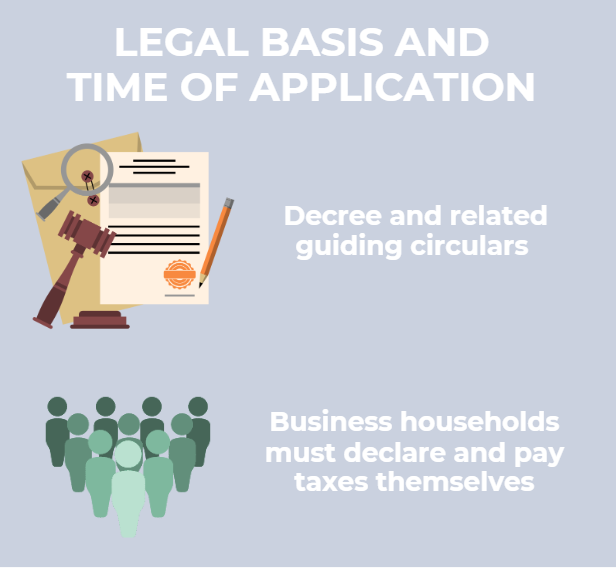
1. Legal Framework and Guidance Documents
Article 10, Clause 6 of Resolution 198/2025/QH15—passed May 17, 2025—states that business households and business individuals will no longer apply the lump-sum tax method but must declare and pay taxes per the Law on Tax Administration.
The Ministry of Finance is expected to promulgate a separate guidance circular in 2025 for business household self-declaration and self-payment procedures, covering:
- Regulations on applicable subjects and revenue thresholds for declaration;
- Methods for maintaining accounting records and preparing tax declarations;
- Instructions on tax code registration and business household information reporting;
- Procedures for electronic tax payment and penalties for false declarations.
These regulations follow the principle of “self-declaration – self-payment – self-responsibility,” enabling business households to be more proactive in financial management and legal compliance.
2. Business Households Required to Self-Declare and Self-Pay
Per the Ministry of Finance draft, business households with revenue exceeding VND 100 million annually must declare taxes. Specific applicable groups include:
- Business households with stable trading, production, and service operations;
- Business households with registered tax codes and electronic invoices;
- Business households using workers, renting premises, selling online, or maintaining continuously high revenue exceeding thresholds.
Households with lower revenue (under VND 100 million annually) may remain exempt from certain taxes but must still submit tax reports timely to ensure transparency of business income.
Comparison: Old Lump-Sum Tax vs. New Self-Declaration Method
| Criteria | Lump-Sum Tax (Old) | Self-Declaration and Self-Payment (New) |
| Tax calculation method | Tax authority determines estimated revenue | Household self-determines actual revenue and expenses |
| Transparency level | Low, prone to disputes | High, with full documentation |
| Management tools | Manual, paper-based notes | Electronic Tax system, electronic invoices |
| Responsibility | Pre-calculated tax, less initiative | Self-declaration and self-responsibility |
| Suitable for | Small households, low revenue | Medium and large households with simple systems |
1. Benefits and Risks of Transition
Benefits:
- Transparency—accurately reflects actual revenue and profit;
- Financial autonomy and proactive tax payment management;
- Reduced disputes with tax authorities over lump-sum assessments;
- Convenience when expanding scale or applying for business registration.
Risks and challenges:
- Requires basic accounting knowledge for accurate declaration;
- Initial investment in accounting software or professional services;
- Penalties apply if declarations are incorrect or payments are late.
2. Business Household Responsibility for Accurate Declaration
Under the new rules, business households bear full responsibility for the honesty and accuracy of declared data. Incorrect declarations, underpayment, or fraud will be penalized per the Law on Tax Administration, potentially up to 20% of underpaid tax plus late payment fees.
Therefore, businesses should proactively:
- Maintain complete records and preserve invoices and supporting documents;
- Use accounting software or seek advice from professional accounting services;
- Periodically verify compliance with tax authorities to prevent errors.
The official implementation of self-declaration and self-payment for business households from January 1, 2026, is a major step toward modernizing Vietnam’s tax system. Although initial changes and challenges exist, with thorough 2025 preparation and support from tax authorities and accounting professionals, business households can adapt quickly and operate more proactively in the new period.
The self-declaration and self-payment method represents a significant transformation of Vietnam’s tax industry, advancing toward a more modern, transparent, and equitable tax management system aligned with digital economy trends.
For any inquiries, contact Wacontre Accounting Services via Hotline: (028) 3820 1213 or email [email protected] for prompt assistance. With a team of experienced professionals, Wacontre is committed to providing dedicated and efficient service.
Legal Basis and Implementation Timeline
1. Legal Framework and Guidance Documents
Article 10, Clause 6 of Resolution 198/2025/QH15—passed May 17, 2025—states that business households and business individuals will no longer apply the lump-sum tax method but must declare and pay taxes per the Law on Tax Administration.
The Ministry of Finance is expected to promulgate a separate guidance circular in 2025 for business household self-declaration and self-payment procedures, covering:
- Regulations on applicable subjects and revenue thresholds for declaration;
- Methods for maintaining accounting records and preparing tax declarations;
- Instructions on tax code registration and business household information reporting;
- Procedures for electronic tax payment and penalties for false declarations.
These regulations follow the principle of “self-declaration – self-payment – self-responsibility,” enabling business households to be more proactive in financial management and legal compliance.
2. Business Households Required to Self-Declare and Self-Pay
Per the Ministry of Finance draft, business households with revenue exceeding VND 100 million annually must declare taxes. Specific applicable groups include:
- Business households with stable trading, production, and service operations;
- Business households with registered tax codes and electronic invoices;
- Business households using workers, renting premises, selling online, or maintaining continuously high revenue exceeding thresholds.
Households with lower revenue (under VND 100 million annually) may remain exempt from certain taxes but must still submit tax reports timely to ensure transparency of business income.
Comparison: Old Lump-Sum Tax vs. New Self-Declaration Method
| Criteria | Lump-Sum Tax (Old) | Self-Declaration and Self-Payment (New) |
| Tax calculation method | Tax authority determines estimated revenue | Household self-determines actual revenue and expenses |
| Transparency level | Low, prone to disputes | High, with full documentation |
| Management tools | Manual, paper-based notes | Electronic Tax system, electronic invoices |
| Responsibility | Pre-calculated tax, less initiative | Self-declaration and self-responsibility |
| Suitable for | Small households, low revenue | Medium and large households with simple systems |
1. Benefits and Risks of Transition
Benefits:
- Transparency—accurately reflects actual revenue and profit;
- Financial autonomy and proactive tax payment management;
- Reduced disputes with tax authorities over lump-sum assessments;
- Convenience when expanding scale or applying for business registration.
Risks and challenges:
- Requires basic accounting knowledge for accurate declaration;
- Initial investment in accounting software or professional services;
- Penalties apply if declarations are incorrect or payments are late.
2. Business Household Responsibility for Accurate Declaration
Under the new rules, business households bear full responsibility for the honesty and accuracy of declared data. Incorrect declarations, underpayment, or fraud will be penalized per the Law on Tax Administration, potentially up to 20% of underpaid tax plus late payment fees.
Therefore, businesses should proactively:
- Maintain complete records and preserve invoices and supporting documents;
- Use accounting software or seek advice from professional accounting services;
- Periodically verify compliance with tax authorities to prevent errors.
The official implementation of self-declaration and self-payment for business households from January 1, 2026, is a major step toward modernizing Vietnam’s tax system. Although initial changes and challenges exist, with thorough 2025 preparation and support from tax authorities and accounting professionals, business households can adapt quickly and operate more proactively in the new period.
The self-declaration and self-payment method represents a significant transformation of Vietnam’s tax industry, advancing toward a more modern, transparent, and equitable tax management system aligned with digital economy trends.
For any inquiries, contact Wacontre Accounting Services via Hotline: (028) 3820 1213 or email [email protected] for prompt assistance. With a team of experienced professionals, Wacontre is committed to providing dedicated and efficient service.
Thus, from 2026, the lump-sum tax regime—which existed for over 20 years—will officially end, replaced by a more transparent and modern tax management method.
Legal Basis and Implementation Timeline
1. Legal Framework and Guidance Documents
Article 10, Clause 6 of Resolution 198/2025/QH15—passed May 17, 2025—states that business households and business individuals will no longer apply the lump-sum tax method but must declare and pay taxes per the Law on Tax Administration.
The Ministry of Finance is expected to promulgate a separate guidance circular in 2025 for business household self-declaration and self-payment procedures, covering:
- Regulations on applicable subjects and revenue thresholds for declaration;
- Methods for maintaining accounting records and preparing tax declarations;
- Instructions on tax code registration and business household information reporting;
- Procedures for electronic tax payment and penalties for false declarations.
These regulations follow the principle of “self-declaration – self-payment – self-responsibility,” enabling business households to be more proactive in financial management and legal compliance.
2. Business Households Required to Self-Declare and Self-Pay
Per the Ministry of Finance draft, business households with revenue exceeding VND 100 million annually must declare taxes. Specific applicable groups include:
- Business households with stable trading, production, and service operations;
- Business households with registered tax codes and electronic invoices;
- Business households using workers, renting premises, selling online, or maintaining continuously high revenue exceeding thresholds.
Households with lower revenue (under VND 100 million annually) may remain exempt from certain taxes but must still submit tax reports timely to ensure transparency of business income.
Comparison: Old Lump-Sum Tax vs. New Self-Declaration Method
| Criteria | Lump-Sum Tax (Old) | Self-Declaration and Self-Payment (New) |
| Tax calculation method | Tax authority determines estimated revenue | Household self-determines actual revenue and expenses |
| Transparency level | Low, prone to disputes | High, with full documentation |
| Management tools | Manual, paper-based notes | Electronic Tax system, electronic invoices |
| Responsibility | Pre-calculated tax, less initiative | Self-declaration and self-responsibility |
| Suitable for | Small households, low revenue | Medium and large households with simple systems |
1. Benefits and Risks of Transition
Benefits:
- Transparency—accurately reflects actual revenue and profit;
- Financial autonomy and proactive tax payment management;
- Reduced disputes with tax authorities over lump-sum assessments;
- Convenience when expanding scale or applying for business registration.
Risks and challenges:
- Requires basic accounting knowledge for accurate declaration;
- Initial investment in accounting software or professional services;
- Penalties apply if declarations are incorrect or payments are late.
2. Business Household Responsibility for Accurate Declaration
Under the new rules, business households bear full responsibility for the honesty and accuracy of declared data. Incorrect declarations, underpayment, or fraud will be penalized per the Law on Tax Administration, potentially up to 20% of underpaid tax plus late payment fees.
Therefore, businesses should proactively:
- Maintain complete records and preserve invoices and supporting documents;
- Use accounting software or seek advice from professional accounting services;
- Periodically verify compliance with tax authorities to prevent errors.
The official implementation of self-declaration and self-payment for business households from January 1, 2026, is a major step toward modernizing Vietnam’s tax system. Although initial changes and challenges exist, with thorough 2025 preparation and support from tax authorities and accounting professionals, business households can adapt quickly and operate more proactively in the new period.
The self-declaration and self-payment method represents a significant transformation of Vietnam’s tax industry, advancing toward a more modern, transparent, and equitable tax management system aligned with digital economy trends.
For any inquiries, contact Wacontre Accounting Services via Hotline: (028) 3820 1213 or email [email protected] for prompt assistance. With a team of experienced professionals, Wacontre is committed to providing dedicated and efficient service.
Specifically, business households will maintain records, submit periodic declarations (usually quarterly), and pay taxes accordingly. The tax authority will conduct post-audits and compare data through electronic systems and invoice records.
Thus, from 2026, the lump-sum tax regime—which existed for over 20 years—will officially end, replaced by a more transparent and modern tax management method.
Legal Basis and Implementation Timeline
1. Legal Framework and Guidance Documents
Article 10, Clause 6 of Resolution 198/2025/QH15—passed May 17, 2025—states that business households and business individuals will no longer apply the lump-sum tax method but must declare and pay taxes per the Law on Tax Administration.
The Ministry of Finance is expected to promulgate a separate guidance circular in 2025 for business household self-declaration and self-payment procedures, covering:
- Regulations on applicable subjects and revenue thresholds for declaration;
- Methods for maintaining accounting records and preparing tax declarations;
- Instructions on tax code registration and business household information reporting;
- Procedures for electronic tax payment and penalties for false declarations.
These regulations follow the principle of “self-declaration – self-payment – self-responsibility,” enabling business households to be more proactive in financial management and legal compliance.
2. Business Households Required to Self-Declare and Self-Pay
Per the Ministry of Finance draft, business households with revenue exceeding VND 100 million annually must declare taxes. Specific applicable groups include:
- Business households with stable trading, production, and service operations;
- Business households with registered tax codes and electronic invoices;
- Business households using workers, renting premises, selling online, or maintaining continuously high revenue exceeding thresholds.
Households with lower revenue (under VND 100 million annually) may remain exempt from certain taxes but must still submit tax reports timely to ensure transparency of business income.
Comparison: Old Lump-Sum Tax vs. New Self-Declaration Method
| Criteria | Lump-Sum Tax (Old) | Self-Declaration and Self-Payment (New) |
| Tax calculation method | Tax authority determines estimated revenue | Household self-determines actual revenue and expenses |
| Transparency level | Low, prone to disputes | High, with full documentation |
| Management tools | Manual, paper-based notes | Electronic Tax system, electronic invoices |
| Responsibility | Pre-calculated tax, less initiative | Self-declaration and self-responsibility |
| Suitable for | Small households, low revenue | Medium and large households with simple systems |
1. Benefits and Risks of Transition
Benefits:
- Transparency—accurately reflects actual revenue and profit;
- Financial autonomy and proactive tax payment management;
- Reduced disputes with tax authorities over lump-sum assessments;
- Convenience when expanding scale or applying for business registration.
Risks and challenges:
- Requires basic accounting knowledge for accurate declaration;
- Initial investment in accounting software or professional services;
- Penalties apply if declarations are incorrect or payments are late.
2. Business Household Responsibility for Accurate Declaration
Under the new rules, business households bear full responsibility for the honesty and accuracy of declared data. Incorrect declarations, underpayment, or fraud will be penalized per the Law on Tax Administration, potentially up to 20% of underpaid tax plus late payment fees.
Therefore, businesses should proactively:
- Maintain complete records and preserve invoices and supporting documents;
- Use accounting software or seek advice from professional accounting services;
- Periodically verify compliance with tax authorities to prevent errors.
The official implementation of self-declaration and self-payment for business households from January 1, 2026, is a major step toward modernizing Vietnam’s tax system. Although initial changes and challenges exist, with thorough 2025 preparation and support from tax authorities and accounting professionals, business households can adapt quickly and operate more proactively in the new period.
The self-declaration and self-payment method represents a significant transformation of Vietnam’s tax industry, advancing toward a more modern, transparent, and equitable tax management system aligned with digital economy trends.
For any inquiries, contact Wacontre Accounting Services via Hotline: (028) 3820 1213 or email [email protected] for prompt assistance. With a team of experienced professionals, Wacontre is committed to providing dedicated and efficient service.
Currently, most business households pay taxes as lump sums—the tax authority determines estimated revenue and calculates the tax payable. From January 1, 2026, this system will be discontinued. Instead, business households must declare their actual revenue and pay taxes according to amounts incurred.
Specifically, business households will maintain records, submit periodic declarations (usually quarterly), and pay taxes accordingly. The tax authority will conduct post-audits and compare data through electronic systems and invoice records.
Thus, from 2026, the lump-sum tax regime—which existed for over 20 years—will officially end, replaced by a more transparent and modern tax management method.
Legal Basis and Implementation Timeline
1. Legal Framework and Guidance Documents
Article 10, Clause 6 of Resolution 198/2025/QH15—passed May 17, 2025—states that business households and business individuals will no longer apply the lump-sum tax method but must declare and pay taxes per the Law on Tax Administration.
The Ministry of Finance is expected to promulgate a separate guidance circular in 2025 for business household self-declaration and self-payment procedures, covering:
- Regulations on applicable subjects and revenue thresholds for declaration;
- Methods for maintaining accounting records and preparing tax declarations;
- Instructions on tax code registration and business household information reporting;
- Procedures for electronic tax payment and penalties for false declarations.
These regulations follow the principle of “self-declaration – self-payment – self-responsibility,” enabling business households to be more proactive in financial management and legal compliance.
2. Business Households Required to Self-Declare and Self-Pay
Per the Ministry of Finance draft, business households with revenue exceeding VND 100 million annually must declare taxes. Specific applicable groups include:
- Business households with stable trading, production, and service operations;
- Business households with registered tax codes and electronic invoices;
- Business households using workers, renting premises, selling online, or maintaining continuously high revenue exceeding thresholds.
Households with lower revenue (under VND 100 million annually) may remain exempt from certain taxes but must still submit tax reports timely to ensure transparency of business income.
Comparison: Old Lump-Sum Tax vs. New Self-Declaration Method
| Criteria | Lump-Sum Tax (Old) | Self-Declaration and Self-Payment (New) |
| Tax calculation method | Tax authority determines estimated revenue | Household self-determines actual revenue and expenses |
| Transparency level | Low, prone to disputes | High, with full documentation |
| Management tools | Manual, paper-based notes | Electronic Tax system, electronic invoices |
| Responsibility | Pre-calculated tax, less initiative | Self-declaration and self-responsibility |
| Suitable for | Small households, low revenue | Medium and large households with simple systems |
1. Benefits and Risks of Transition
Benefits:
- Transparency—accurately reflects actual revenue and profit;
- Financial autonomy and proactive tax payment management;
- Reduced disputes with tax authorities over lump-sum assessments;
- Convenience when expanding scale or applying for business registration.
Risks and challenges:
- Requires basic accounting knowledge for accurate declaration;
- Initial investment in accounting software or professional services;
- Penalties apply if declarations are incorrect or payments are late.
2. Business Household Responsibility for Accurate Declaration
Under the new rules, business households bear full responsibility for the honesty and accuracy of declared data. Incorrect declarations, underpayment, or fraud will be penalized per the Law on Tax Administration, potentially up to 20% of underpaid tax plus late payment fees.
Therefore, businesses should proactively:
- Maintain complete records and preserve invoices and supporting documents;
- Use accounting software or seek advice from professional accounting services;
- Periodically verify compliance with tax authorities to prevent errors.
The official implementation of self-declaration and self-payment for business households from January 1, 2026, is a major step toward modernizing Vietnam’s tax system. Although initial changes and challenges exist, with thorough 2025 preparation and support from tax authorities and accounting professionals, business households can adapt quickly and operate more proactively in the new period.
The self-declaration and self-payment method represents a significant transformation of Vietnam’s tax industry, advancing toward a more modern, transparent, and equitable tax management system aligned with digital economy trends.
For any inquiries, contact Wacontre Accounting Services via Hotline: (028) 3820 1213 or email [email protected] for prompt assistance. With a team of experienced professionals, Wacontre is committed to providing dedicated and efficient service.
What Is Self-Declaration and Self-Payment of Tax?
Currently, most business households pay taxes as lump sums—the tax authority determines estimated revenue and calculates the tax payable. From January 1, 2026, this system will be discontinued. Instead, business households must declare their actual revenue and pay taxes according to amounts incurred.
Specifically, business households will maintain records, submit periodic declarations (usually quarterly), and pay taxes accordingly. The tax authority will conduct post-audits and compare data through electronic systems and invoice records.
Thus, from 2026, the lump-sum tax regime—which existed for over 20 years—will officially end, replaced by a more transparent and modern tax management method.
Legal Basis and Implementation Timeline
1. Legal Framework and Guidance Documents
Article 10, Clause 6 of Resolution 198/2025/QH15—passed May 17, 2025—states that business households and business individuals will no longer apply the lump-sum tax method but must declare and pay taxes per the Law on Tax Administration.
The Ministry of Finance is expected to promulgate a separate guidance circular in 2025 for business household self-declaration and self-payment procedures, covering:
- Regulations on applicable subjects and revenue thresholds for declaration;
- Methods for maintaining accounting records and preparing tax declarations;
- Instructions on tax code registration and business household information reporting;
- Procedures for electronic tax payment and penalties for false declarations.
These regulations follow the principle of “self-declaration – self-payment – self-responsibility,” enabling business households to be more proactive in financial management and legal compliance.
2. Business Households Required to Self-Declare and Self-Pay
Per the Ministry of Finance draft, business households with revenue exceeding VND 100 million annually must declare taxes. Specific applicable groups include:
- Business households with stable trading, production, and service operations;
- Business households with registered tax codes and electronic invoices;
- Business households using workers, renting premises, selling online, or maintaining continuously high revenue exceeding thresholds.
Households with lower revenue (under VND 100 million annually) may remain exempt from certain taxes but must still submit tax reports timely to ensure transparency of business income.
Comparison: Old Lump-Sum Tax vs. New Self-Declaration Method
| Criteria | Lump-Sum Tax (Old) | Self-Declaration and Self-Payment (New) |
| Tax calculation method | Tax authority determines estimated revenue | Household self-determines actual revenue and expenses |
| Transparency level | Low, prone to disputes | High, with full documentation |
| Management tools | Manual, paper-based notes | Electronic Tax system, electronic invoices |
| Responsibility | Pre-calculated tax, less initiative | Self-declaration and self-responsibility |
| Suitable for | Small households, low revenue | Medium and large households with simple systems |
1. Benefits and Risks of Transition
Benefits:
- Transparency—accurately reflects actual revenue and profit;
- Financial autonomy and proactive tax payment management;
- Reduced disputes with tax authorities over lump-sum assessments;
- Convenience when expanding scale or applying for business registration.
Risks and challenges:
- Requires basic accounting knowledge for accurate declaration;
- Initial investment in accounting software or professional services;
- Penalties apply if declarations are incorrect or payments are late.
2. Business Household Responsibility for Accurate Declaration
Under the new rules, business households bear full responsibility for the honesty and accuracy of declared data. Incorrect declarations, underpayment, or fraud will be penalized per the Law on Tax Administration, potentially up to 20% of underpaid tax plus late payment fees.
Therefore, businesses should proactively:
- Maintain complete records and preserve invoices and supporting documents;
- Use accounting software or seek advice from professional accounting services;
- Periodically verify compliance with tax authorities to prevent errors.
The official implementation of self-declaration and self-payment for business households from January 1, 2026, is a major step toward modernizing Vietnam’s tax system. Although initial changes and challenges exist, with thorough 2025 preparation and support from tax authorities and accounting professionals, business households can adapt quickly and operate more proactively in the new period.
The self-declaration and self-payment method represents a significant transformation of Vietnam’s tax industry, advancing toward a more modern, transparent, and equitable tax management system aligned with digital economy trends.
For any inquiries, contact Wacontre Accounting Services via Hotline: (028) 3820 1213 or email [email protected] for prompt assistance. With a team of experienced professionals, Wacontre is committed to providing dedicated and efficient service.
What Is Self-Declaration and Self-Payment of Tax?
Currently, most business households pay taxes as lump sums—the tax authority determines estimated revenue and calculates the tax payable. From January 1, 2026, this system will be discontinued. Instead, business households must declare their actual revenue and pay taxes according to amounts incurred.
Specifically, business households will maintain records, submit periodic declarations (usually quarterly), and pay taxes accordingly. The tax authority will conduct post-audits and compare data through electronic systems and invoice records.
Thus, from 2026, the lump-sum tax regime—which existed for over 20 years—will officially end, replaced by a more transparent and modern tax management method.
Legal Basis and Implementation Timeline
1. Legal Framework and Guidance Documents
Article 10, Clause 6 of Resolution 198/2025/QH15—passed May 17, 2025—states that business households and business individuals will no longer apply the lump-sum tax method but must declare and pay taxes per the Law on Tax Administration.
The Ministry of Finance is expected to promulgate a separate guidance circular in 2025 for business household self-declaration and self-payment procedures, covering:
- Regulations on applicable subjects and revenue thresholds for declaration;
- Methods for maintaining accounting records and preparing tax declarations;
- Instructions on tax code registration and business household information reporting;
- Procedures for electronic tax payment and penalties for false declarations.
These regulations follow the principle of “self-declaration – self-payment – self-responsibility,” enabling business households to be more proactive in financial management and legal compliance.
2. Business Households Required to Self-Declare and Self-Pay
Per the Ministry of Finance draft, business households with revenue exceeding VND 100 million annually must declare taxes. Specific applicable groups include:
- Business households with stable trading, production, and service operations;
- Business households with registered tax codes and electronic invoices;
- Business households using workers, renting premises, selling online, or maintaining continuously high revenue exceeding thresholds.
Households with lower revenue (under VND 100 million annually) may remain exempt from certain taxes but must still submit tax reports timely to ensure transparency of business income.
Comparison: Old Lump-Sum Tax vs. New Self-Declaration Method
| Criteria | Lump-Sum Tax (Old) | Self-Declaration and Self-Payment (New) |
| Tax calculation method | Tax authority determines estimated revenue | Household self-determines actual revenue and expenses |
| Transparency level | Low, prone to disputes | High, with full documentation |
| Management tools | Manual, paper-based notes | Electronic Tax system, electronic invoices |
| Responsibility | Pre-calculated tax, less initiative | Self-declaration and self-responsibility |
| Suitable for | Small households, low revenue | Medium and large households with simple systems |
1. Benefits and Risks of Transition
Benefits:
- Transparency—accurately reflects actual revenue and profit;
- Financial autonomy and proactive tax payment management;
- Reduced disputes with tax authorities over lump-sum assessments;
- Convenience when expanding scale or applying for business registration.
Risks and challenges:
- Requires basic accounting knowledge for accurate declaration;
- Initial investment in accounting software or professional services;
- Penalties apply if declarations are incorrect or payments are late.
2. Business Household Responsibility for Accurate Declaration
Under the new rules, business households bear full responsibility for the honesty and accuracy of declared data. Incorrect declarations, underpayment, or fraud will be penalized per the Law on Tax Administration, potentially up to 20% of underpaid tax plus late payment fees.
Therefore, businesses should proactively:
- Maintain complete records and preserve invoices and supporting documents;
- Use accounting software or seek advice from professional accounting services;
- Periodically verify compliance with tax authorities to prevent errors.
The official implementation of self-declaration and self-payment for business households from January 1, 2026, is a major step toward modernizing Vietnam’s tax system. Although initial changes and challenges exist, with thorough 2025 preparation and support from tax authorities and accounting professionals, business households can adapt quickly and operate more proactively in the new period.
The self-declaration and self-payment method represents a significant transformation of Vietnam’s tax industry, advancing toward a more modern, transparent, and equitable tax management system aligned with digital economy trends.
For any inquiries, contact Wacontre Accounting Services via Hotline: (028) 3820 1213 or email [email protected] for prompt assistance. With a team of experienced professionals, Wacontre is committed to providing dedicated and efficient service.